


Review Article
Volume-1 Issue-1, 2021
Efficacy and Cost Analysis of Immunizing Cattle against East Coast Fever (ECF) (Theileria Parva Infection) Using the Infection-and-Treatment (ITM) Method in Machakos County, Kenya
Received Date: December 24, 2021
Accepted Date: January 28 , 2022
Published Date: January 31, 2022
Journal Information
Abstract
A trial to assess the efficacy of East Coast Fever (ECF) vaccine was conducted on a total of 28 farms in Machakos County, Kenya. A total of 184 calves were recruited into the trial. To block the effects of farm, both control and vaccinated calves and yearlings that were at least 1 to 12 month of age were selected from the same farms. Calves and yearlings that entered the herds in the course of the one-year follow-up period and met the selection criteria were recruited into both groups.
The study population was stratified by herd and within each herd the calves and yearlings were randomly (using a random number table) allocated to each of the two treatment groups (immunised and control groups).
Clinical examination of the animals was undertaken just prior to the inoculation of the vaccine. Animals with a rectal temperature > 39.4 oC were excluded. Irrespective of whether the body temperature was normal or not, animals with enlarged superficial lymph nodes were excluded on suspicion of having been recently infected with ECF. Malnourished animal was also excluded from the trial.
With an efficacy of 82%, the ECF vaccine was found to have a significant protective effect in the study area. Use of the vaccine was also found to be financially profitable.
Key words
East Coast Fever; Vaccine; Immunization; Efficacy;Calves
List of abbreviations: ECF: East Coast Fever; DFID: Department for International Development; DPSS: Dual Purpose Cattle Small Scale; IFAT: Immuno-Fluorescent Anti Body Test; ILRI: International Livestock Research Institute; KARI: Kenyan Agricultural Research Institute; TBD: Tick Borne Diseases
1. Additional returns |
2. Costs no longer incurred |
3. Subtotal: 1 + 2 |
4. Foregone returns |
5. Additional costs |
6. Subtotal: 4+5 |
7. Difference: 3 – 6: Derived net return. If net return is negative, then the procedure is not recommended and |
Parameters |
Components considered |
Additional returns |
Extra Calves Sold =ECS x (CP NI Group- CP I Group) |
Additional costs incurred |
|
Costs No longer incurred |
50% among immunised animals (IGP). |
Foregone returns |
None since calves that died had no salvage value |
b I = immunised group
c NI= Non-immunsed group
|
No of calves/yearlings present |
||||
Start |
End |
||||
Division |
No of |
Immunised |
Control |
Immunised |
Control |
Athi River |
7 |
58 |
44 |
79 |
45 |
Kangundo |
7 |
11 |
12 |
16 |
13 |
Matungulu |
9 |
16 |
13 |
19 |
13 |
Ndithini |
5 |
15 |
9 |
15 |
12 |
Total |
28 |
100 |
78 |
129 |
83 |
Division |
No. of cattle |
No. of cattle with post- immunization antibody titres > 1:160 |
Proportion of immunized cattle |
Proportion of control cattle |
||
Immunised |
Control |
Immunised |
Control |
|||
Athi River |
79 |
46 |
74 |
2 |
93.7 |
4.3 |
Kangundo |
16 |
13 |
14 |
0 |
87.5 |
0 |
Matungulu |
19 |
10 |
17 |
2 |
89.4 |
20.0 |
Ndithini |
15 |
14 |
14 |
1 |
93.3 |
7.1 |
Total |
129 |
83 |
119 |
5 |
92.2 |
6.0 |
Variable |
Levels |
No. of ECF cases |
Animal months-at-risk |
1Incidence rate (%) per cow |
2IRR (95% CI) |
Annual Incidence |
p-value |
ECF |
Yes |
9 |
1,391 |
0.6 (0.3 - 1.2) |
1.00 |
0.078 |
|
|
No |
26 |
730 |
3.5 (2.3 - 5.2) |
5.50 (2.58 – 11.74) |
0.427 |
0.00 |
Division |
Athi |
23 |
1,224 |
2.0 (1.3 – 3.1) |
1.00 |
0.225 |
|
|
Ndithini |
5 |
258 |
1.9 (0.6 – 4.5) |
1.03 (0.39 – 2.71) |
0.233 |
0.95 |
|
Kangundo |
2 |
256 |
0.8 (0.1 – 2.8) |
0.42 (0.10, 1.76) |
0.094 |
0.23 |
|
Matungulu |
5 |
382 |
1.3 (0.4 – 3.1) |
0.70 (0.26 – 1.83) |
0.157 |
0.46 |
Breed |
Indigenous |
31 |
1,605 |
1.9 (1.3 – 2.7) |
1.00 |
0.232 |
|
|
Exotic |
4 |
517 |
0.8 (0.0 – 3.2) |
0.22 (0.03 – 1.83) |
0.093 |
0.13 |
Age |
Calf |
29 |
1,290 |
2.2 (1.5 – 3.2) |
1.00 |
0.270 |
|
|
Yearling |
5 |
723 |
0.7 (0.2 – 1.6) |
0.31 (0.12 – 0.79) |
0.083 |
0.02 |
|
Adult |
0 |
105 |
0 |
0 |
0 |
0.99 |
Sex |
Male |
18 |
658 |
2.7 (1.6 – 4.3) |
1.00 |
0.328 |
|
|
Female |
17 |
1,463 |
1.2 (0.7 – 1.9) |
0.42 (0.22 – 0.82) |
0.139 |
0.01 |
Tick control |
Yes |
15 |
1,643 |
0.9 (0.5 – 1.5) |
1.00 |
0.110 |
|
|
No |
19 |
472 |
4.0 (2.4 – 6.3) |
4.50 (2.35 – 8.98) |
0.483 |
0.00 |
Tick challenge |
Yes |
28 |
1,123 |
2.5 (1.7 – 3.6) |
1.00 |
0.299 |
|
|
No |
7 |
998 |
0.7 (0.3 – 1.4) |
0.28 (0.12 – 0.64) |
0.084 |
0.00 |
Season |
Wet |
21 |
905 |
2.3 (1.4 – 3.5) |
2.01 (1.03 – 3.96) |
|
0.04 |
|
Dry |
14 |
1,216 |
1.1 (0.6 – 1.9) |
1.00 |
0.138 |
|
Dipping |
0 - 4 |
12 |
277 |
4.3 (2.2 – 7.6) |
3.35 (1.57 – 7.15) |
0.520 |
0.00 |
5 - 8 |
8 |
685 |
1.2 (0.5 – 2.3) |
0.90 (0.38 – 2.12) |
0.140 |
0.81 |
|
|
> 8 |
15 |
1159 |
1.3 (0.7 – 2.1) |
1.00 |
0.155 |
|
Herd size |
|
|
|
|
0.99 (0.99 – 1.00) |
|
0.06 |
Variable |
Level |
1IRR |
95% 2CI |
Std. Err. |
p-value |
Immunization |
Control |
0.20 |
0.09-.44 |
0.08 |
0.00 |
|
Vaccinated |
1.00 |
|
|
|
Division |
Kangundo |
0.26 |
0.06-1.19 |
0.20 |
0.08 |
|
Matungulu |
0.32 |
0.11-0.91 |
0.17 |
0.03 |
|
Ndithini |
0.81 |
0.29-2.24 |
0.42 |
0.68 |
|
Athi |
|
|
|
|
Age |
Yearling |
0.27 |
0.10-0.73 |
0.14 |
0.01 |
|
Adult |
0.00 |
0.00 |
0.00 |
0.99 |
|
Calf |
1.00 |
|
|
|
Sex |
Female |
2.18 |
1.09-4.36 |
0.77 |
0.03 |
|
Male |
1.00 |
|
|
|
Season |
Wet |
2.00 |
0.99-4.02 |
0.71 |
0.05 |
|
Dry |
1.00 |
|
|
|
Herd size |
|
0.99 |
0.99-1.00 |
0.00 |
0.02 |
Item Category* |
Cost in USD. |
Percentage of total cost |
||
Per farm per animals |
||||
Stabilate production |
Variable |
4.29 |
1.13 |
16.48 |
Blocking drugs |
Variable |
1.81 |
0.48 |
6.96 |
Consumable items |
Variable |
5.70 |
1.60 |
21.9 |
†Labour (monitoring) |
Fixed |
- |
- |
|
Transportation |
Fixed |
0.95 |
0.25 |
3.65 |
Professional charges |
Fixed |
13.33 |
3.50 |
51.22 |
Total |
|
26.02 |
6.96 |
|
†No reactors are expected when 30% oxytetracylines formulation. This eliminates the need for monitoring
Parameter |
Value |
Source |
|
Immunized Non immunized |
|||
No of calves (NoA) |
129 |
83 |
Study data |
Market value of a calf (CP) |
*Ksh.6,347 |
Ksh.6,347 |
Study data |
ECF cumulative incidence (CumInc) |
7.76 |
42.74 |
Study data |
ECF cumulative mortality (CumMort) |
0 |
5 |
Study data |
Vaccine Cost (Ksh) VC |
Ksh.522 |
|
Market price |
Cost of treatment (Ksh) TC |
Ksh.258 |
Ksh.258 |
Market price |
Percentage of reactors to vaccination (R) |
0 |
|
Study data |
Cost of tick control Annual basis per animal (TCA) |
Ksh.205.9 |
Ksh.205.9 |
Study data |
Parameter |
Additional returns: N/B accurate records of extra calves sold as a result of immunization not available |
Additionalcosts |
Costs no longer incurred |
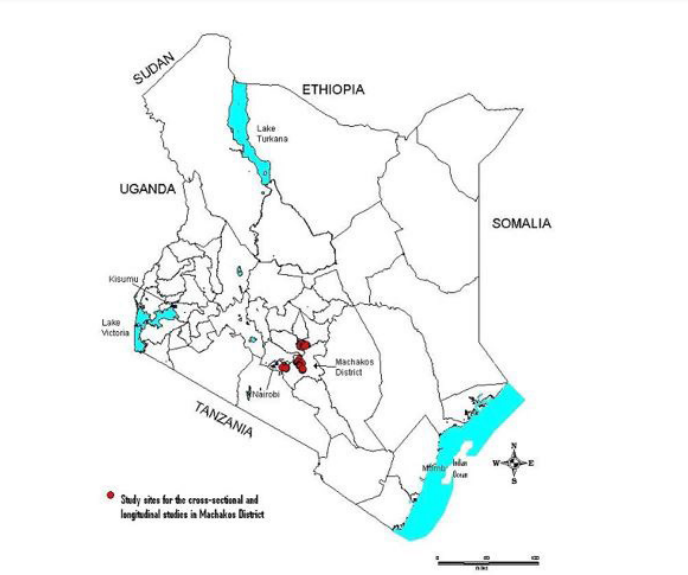 |
| Figure 1: Map of the study area |
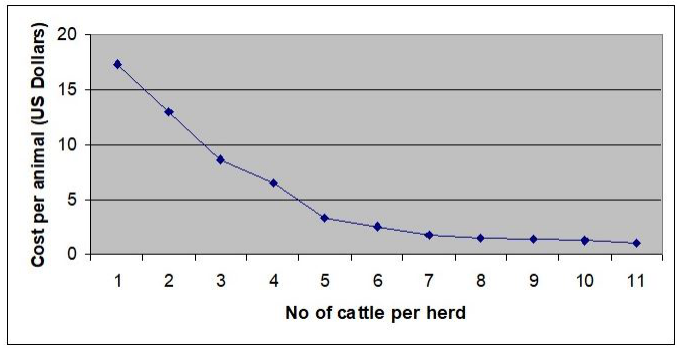 |
| Figure 2: The trend of the total cost per animal on sensitivity analysis of the total number of animals immunized per farm |
Introduction
East Coast Fever (ECF) caused by the protozoan Theileria parva and transmitted by the brown ear tick Rhipicephalus appendiculatus is the most economically important disease of livestock in East and Central Africa (40). The disease puts the lives of more than 25 million cattle at risk in the 11 countries of sub-Saharan Africa where it is endemic (16) and endangers a further 10 million animals in regions such as southern Sudan, where it has recently been introduced. (53). While decimating herds of indigenous cattle, East Coast fever is an even greater threat to improved exotic cattle breeds and is therefore limiting the development of livestock enterprises, particularly dairy, which often depend on higher milk-yielding crossbred cattle (35,46,7,14). In Zebu (Bos indicus) calves kept under pastoral management system, ECF is reported to cause an estimated annual mortality rates of 40-80% (15,10). Furthermore, it is estimated that an effective ECF vaccine for cattle could save the affected countries at least a quarter of a million US dollars a year (16), which are resources which can be reallocated to other livestock improvement programmes in systems which for the most part are suffering from myriad of challenges.
Loss in productivity in livestock from infectious and parasitic diseases would reduce efficiency of conversion of inputs (water, feed, drugs, labour, land capital and management) to outputs (meat, milk, skin, manure and traction power) (57,42). Indeed, diseases presents both direct and indirect effect in the affected production systems besides their impact on herd structure, limiting access to better markets and sub-optimal use of production technologies (57,3).
Therefore, adaptation of any strategy for the control ECF can significantly reduce disease control costs and thereby improving farmers’ income (24, 28, 32).
Use of animal health modelling and economics to support the decision making process is increasingly gaining importance in livestock production. Economics of disease control involves making decisions based on rational choices in allocation of scarce resources against competing alternatives (1,47). There are studies which have applied economic analysis framework for estimating the impact of tick-borne diseases in livestock in Kenya, including cost analysis of immunization against East Coast fever on smallholder dairy farms in Central Kenya (32), a study on effect of vector borne diseases on productivity of smallholder cattle in the Coastal lowlands (33), and analysis of productivity of Orma/ Zebu cattle crosses in a pastoral production system (20).
Furthermore, In Zambia it was been shown that application of ITM in traditionally managed Sanga cattle (crosses between Bos indicus and Bos Taurus) cattle was a cost effective strategy for ECF control (26, 4).
Infection-and-treatment method (ITM) is based on an experimental vaccine against East Coast fever which was first developed at the Kenyan Agricultural Research Institute (KARI). The technology relies on healthy cattle inoculated with live sporozoite stabilate of Theleiria parva and simultaneously treated with a long- acting tetracycline to stop development of clinical disease. The resulting immune response coupled with sub-lethal natural challenge would provide lifelong protection to the inoculated cattle against the disease (36, 59, 10, 25, 50, 4).
The T. parva Marikebuni stock was first isolated and characterized from the Coast Province of Kenya. Field studies carried out in the former Coast, Central and Rift Valley provincial administrative regions of Kenya, and the stock was shown to significantly reduce the incidence of ECF in immunized cattle (63, 22, 62). However, the effectiveness of this method of ECF control has not been evaluated under a mixed livestock production system which suffers from high incidence of tick-borne diseases including ECF, and which cattle herd sizes are highly variable when compared to the smallholder dairy and pastoral systems where most disease control interventions are often directed.
The main objective of the study was to assess the efficacy of ECF immunization in a Dual Purpose Cattle Small Scale (DPCSS) production system. The vaccine strain was the T. parva Marikebuni stock 316. The study was implemented between April 2009 and July 2010.
Materials and methods
Design of vaccination trial
Study areas
Selection of farms and animals for the trial on the efficacy of the ECF vaccine: A list farms comprising of 28 farms that had relatively detailed records on disease history in the seven sub-locations selected for the longitudinal study was prepared. For a farm to be selected for the immunisation trial, it needed to have at least 2 calves that were at least 1 to 12 month of age (21). Calves and yearlings are considered to be the most susceptible age groups to East Coast fever (56, 51). Only calves and yearlings not previously treated against ECF were recruited into the trial.
Using random number tables, four farms were randomly selected from each of the seven sub-locations. Based on this selection criterion, an initial total of 28 farms with 184 calves were recruited into the trial. To block the effects of farm, both control and vaccinated calves and yearlings were selected from the same farms. Each farm was then given a code and all recruited animals tagged. Calves and yearlings that entered the herds in the course of the one-year follow-up period and met the selection criteria were recruited into both groups.
Sample size determination: The minimum number of calves that needed to be immunised by the end of the study (assuming that immunising against ECF will result in 50% reduction in incidence of ECF) was derived from the formula in (13).
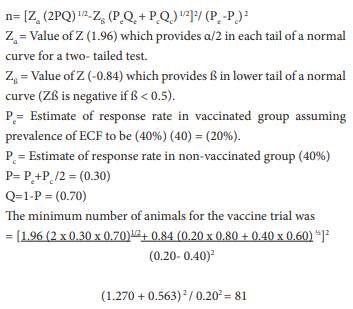
Thus, a minimum of 81 animals needed to be immunised with 81 controls.
Immunisation procedure: Farmers were once again asked about the disease history of eligible calves and yearlings for the last 1-3 months. A stratified random method was used to allocate cattle to the treatment and control groups. The study population was stratified by herd and within each herd the calves and yearlings were randomly (using a random number table) allocated to each of the two treatment groups.
Clinical examination of the animals was undertaken just prior to the inoculation of the vaccine. Animals with a rectal temperature > 39.4 oC were excluded. Irrespective of whether the body temperature was normal or not, animals with enlarged superficial lymph nodes were excluded on suspicion of having been recently infected with ECF. Animals that appeared malnourished (weakness with protrusion of bones of the shoulders, ribs, backbone and hips and sunken eyes) were also excluded from the trial. History of any recent interventions such as treatments against other tick-borne diseases or deworming were noted. Based on this criterion, a total of 106 calves and yearlings were initially vaccinated against ECF while 78 others served as controls.
The immunization procedure was carried out using the method described by (52). The T. parva (Marikebuni) stabilate was stored in 0.5ml aliquots in plastic straws kept under liquid nitrogen canisters. The straws were rapidly thawed by rubbing between the palms and their contents dispensed into universal bottles. A 1:40 dilution of the stabilate was done using Eagles Minimum Essential Medium with 3.5% w/v bovine plasma albumin and 7.5% glycerol. After 30 minutes of equilibration, the stabilate was inoculated subcutaneously in front of the pre-scapular lymph node. A 30% long acting oxytetracylines (Tetroxy L.A, Bimeda) was administered at a dosage rate of 30 mg per kg body weight by deep intramuscular injection. Any immunised animal developing clinical signs of ECF with fever and macroshizonts in lymph node smears for at least three days was designated as an “ECF reactor” (62). However, inspite of using the 30% oxytetracylines formulation, there was regular communication with the farmers just in case of the odd reactors.
Besides, the cost of administering the vaccine significantly increases with animal size (32). In addition, the dosages of the long acting tetracylines that are administered concurrently with the vaccine are computed on the basis of animal body weight and therefore the smaller the animal, the cheaper the cost of immunisation.
Monitoring of Theleria parva infections: Monitoring of ECF in both the vaccinated group and controls was by determination of antibody titres and the incidence rate of the disease. Since the tick vector of Theleria parva had been observed to be prevalent in the study area during the cross-sectional study, it was expected that some of the calves were already exposed to Theileria parva by the time they were one month old. Under this scenario, the Indirect Fluorescent Antibody Test (IFAT) is ideal in monitoring the immune response as it is possible to record the change in antibody levels for animals that were already exposed to Theileria parva at the time of immunization. Although immunity to ECF is cell-mediated (25), sero-conversion following immunisation can be used as a tool to monitor the viability of the ECF vaccine. Thus, it is necessary to determine seropositivity to T. parva on the day that the animals were immunised (day 0) and on the 35th day (day 35) post immunisation.
The IFAT test was carried out as described by (6). Schizont antigens were prepared as described (6). Briefly, cultures containing schizont antigens were centrifuged at 200g for 20 minutes at 40C.The supernant fluid was removed and the cell pellet was resuspended in 100ml of phosphate buffered saline (PBS) at 40C (PH 7.2 to 7.4). This was followed by centrifugation at 200 g for 20 minutes. The washing procedure was repeated three times. After the final wash, the cells were resuspended in PBS. Thin layers of the cell suspension were spread on Tefloncoated multisport slides (Glaxo-Welcome, UK) using a 100µl pipette. The slides were dried and fixed in acetone for 10 minutes. Pre-vaccination and post-vaccination sera were tested at serial antigen dilutions of 1:40 up to 1:2560. Twenty (20) µl of each serum dilution were transferred to the antigen (schizont) wells. This was followed by incubation at 370C for 30 minutes. Serum samples were removed from antigen wells by immersing in two consecutive jars containing PBS for 10 minutes each time. Twenty (20) µl of diluted anti–bovine immunoglobulin fluorescein isothiocyanate conjugate at a dilution of 1:100 was added. Evans blue at a concentration of 0.01% was added as a counterstain and incubated at 370C for 30 minutes. This was followed by washing three times in PBS. Known positive and negative sera were used as controls. The slides were read under a fluorescent microscope. An animal was considered exposed (positive) if its serum reacted at titres of 1:160 (6).
Animals were followed for a period of 12 months post vaccination. Each farm was visited on a monthly basis and the infection status of each animal determined by clinical and laboratory examination of blood and lymph node smears. Clinical surveillance was kept on all the cattle in both treatment groups on daily basis. During the monitoring period, the calves were also monitored for the frequency of acaricide application, presence of other tick-borne diseases and nutrition status.
In three of the sub-locations (Ndithini, Katine and Ndunduni), the local animal health assistants (AHA) were recruited to monitor the occurrence of disease. In the rest of the sub-locations, farmers were asked to report by phone all suspected cases of disease to the principal investigator. To ensure rapid reporting of diseases, all clinical cases of TBDs and other infectious disease conditions in cattle on the selected farms were treated free of charge throughout the trial period. Early signs of ECF looked for included pyrexia, enlargement of superficial lymph nodes and dyspnoea. Blood smears and needle biopsies were made from prescapular lymph nodes of all animals reported ill especially when accompanied by a rectal temperature of > 39.4 oC. The smears were fixed in methanol and taken to the laboratory at the Veterinary Research Centre, Muguga for staining in Giemsa and examination under a light microscope. The lymph node smears were examined for the presence of schizonts and the blood smears for Theileria parva piroplasms, anaplasma and babesia. Animals found to be suffering from ECF were treated with buparvaquone (Butalex®, Pitman Moore, UK) and supportive antibiotic drugs while cases of anaplasma were treated with either imidocarb diproponiate® (Pitman, Moore, UK) or a long acting tetracycline. Tick challenge was assessed as described (33).
Estimation of ECF incidence and vaccine efficacy
The incidence rate (IR) of ECF was computed as described in (12):

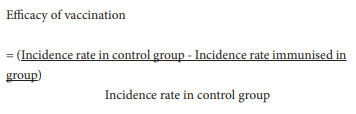
The denominator for estimating incidence was the number of animal-days between the dates the intervention (immunization) study began (or date of recruitment for those animals introduced into the study after commencement) and detection of infection, withdraw from the study, or end of the study. Vaccine efficacy was calculated as described by (2) thus:
Data collected during monitoring visits for vaccine efficacy and cost analysis: The parameters estimated / recorded soon after immunization and during the regular monthly visits were: (i) pre and post-immunization serological status, (ii) tick challenge levels, (iii) cases(morbidity) of ECF and other TBDs, (iv) treatment against TBDs, (v) mortality due to ECF and other TBDs, (vi) expenditure on acaricides and (vii) expenditure on disease treatment.
Data management and analysis
Data were entered into an access file. The incidence rates for various disease events were calculated in Microsoft Excel program (Microsoft Corporation, USA) after exporting the relevant data files from the Access program. After thorough screening for errors, the files were exported to STATA Version 10 (StataCorp.2007) statistical program for analysis.
Multivariate analyses were conducted using Poisson regression models that incorporated general estimating equations to correct for repeated measures in time for antibody titre determination. Only the first cases of ECF and other TBDs were considered in the analyses. Animal-level factors taken into consideration included breed, sex, age, tick challenge/level. The farm level factors included dipping frequency, tick control, and herd-size. Division and season of the year were also taken into consideration. Dipping frequency was transformed into a categorical variable with 3 classes (level 1: 0-4 times; level 2: 5-8 times and level 3: over 8 times) before being fitted in the multivariable model.
Estimation of the cost of application of acaricides and treatment of East Coast fever: On each visit during the study, information was recorded on disease treatments, the cost of each treatment (including professional charges if any) undertaken, number of times acaricides had been applied on the animals since the previous visit and expenditure on acaricides. The figures derived from these records were used to compute the annual cost of application of acaricides and ECF treatments. The annual cost of acaricide application was computed as described by (33) as:
TC = MA * NA (PM) * 12
Where,
TC= Total cost,
MA= Mean application cost per animal, and
NA (PM) = mean number of application cost per month.
The mean annual cost of ECF treatment per animal was derived
from the formula:
M (AT) = TC (D) /NC
Where, M (AT) is the mean cost of treatment per animal,
TC (D) = Total treatment cost for the disease, and
NC = Number of cases of the disease recorded during the study
period.
Cost of immunisation per herd:
The total cost of immunization per herd (Y (h)) was estimated as
described by et al. (1997):
(Y (h)) =V+ M + α (D + B + C)
Where
V= Veterinary proffesional charges
M= Mean cost of monitoring (transportation and labour) per
herd.
α = Mean number of animals per herd.
D= Cost of vaccine per animal (one dose).
B= Cost of the blocking drugs per animal.
C= Mean cost of consumable items per animal.
The detailed figures used to compute the cost of immunization
in the trial were based on the costs of immunizing against ECF
derived from (32, 2, 60).
Economic analysis
Partial farm budget analysis was used to estimate the profitability level of herd immunisation against ECF by the infection and treatment method (ITM) in the County.
Partial budgeting provides a simple economic description and comparison of different disease control measures (11). The components and parameters used and the partial budget framework are as shown in Tables 1 and 2, respectively.
Assumptions of the analysis: Only calves and yearlings were selected for immunization to avoid production losses associated with milk withdrawn for human consumption following injection with long acting oxytetracylines. It was assumed that as a consequence of ECF vaccination, immunized calf price/ trade would increase (15) and calves would command a 50% higher price in the market (10). The analysis was performed on assumption that the subsequent immunization in the County would be carried out by a private veterinarian in line with the government policy of delivery of the technology by private veterinary practioneers; hence a professional charge of USD 13.33 per farm was included in the analysis. It was also assumed that the veterinarian travelled on average 50km to supervise the immunization. The analysis was done for the year 2008-the year the immunisation trial was carried out. All the prices and costs are therefore in 2008 terms when the mean market conversion rate was Ksh.75 to the USD.
Determination of association between vaccination and incidence of East Coast Fever: Attributable Risk (AR): Since the disease is often observed among vaccinated cattle not all disease in the non-vaccinated cattle could be attributed to the being non-vaccinated. The rate of disease in the non-vaccinated group which was attributed to being non-vaccinated was obtained from the difference in rate of disease among the non-vaccinated and vaccinated cattle as described by (23): p(D+/V-) - p(D+/V+) where p(D+/V-) is the rate of disease among the non-vaccinated cattle and p(D+/V+) is the rate of disease among the vaccinated cattle.
Attributable Fraction (AF) is the proportion of disease in the non-vaccinated cattle that was due to being non-vaccinated was computed as follows: AR/p (D+/V-). Population Attributable Risk (PAR) is the increase in risk of disease in the entire population that is attributable to being non-vaccinated. This was computed as the overall observed risk (combining vaccinated and non-vaccinated groups) in the study population minus the baseline risk (risk in the vaccinated group): p(D+) - p(D+/V+) where p(D+) is the rate or proportion of diseased animals in the population and p(D+/V+) is the rate of disease among the vaccinated cattle.
The Population Attributable Fraction (PAF) indicates proportion of disease in the whole population that is attributable to being non-vaccinated and can be avoided if all animals were vaccinated. This was computed as described by (23) and (13).
Results
Study population
Initially, 178 calves/ yearlings were recruited into the study from the 28 study farms (Table 3). One hundred and six (57.6%) calves were immunized against ECF while 78 (42.4%) served as controls. Calves born or brought (purchase, gift, loan) into the farms during the twelve-month follow-up period were progressively recruited into the study at the age of 1 month. An additional 34 calves were born or brought into the study farms during the study period. A total of 29 calves/ yearlings were lost to the study through deaths, sales or transfers. By the end of the study, there were a total of 183 calves and yearlings (Table 3)
Sero-conversions following immunization against ECF
The highest proportion (93.7%) of cattle that sero-converted 35 days post immunization was recorded in Athi River Division while Kangundo Division had the lowest proportion (87.5%) (Table 4). None of the 13 cattle in the control group in Kangundo Division sero-converted while Matungulu Division had the highest proportion (15.4%) of control cattle that sero-converted. Overall, 92.2% of the calves and yearlings sero-converted after immunisation compared to only 6% that sero-converted in the control group; the difference was statistically significant (p< 0.05). No “reactors” were observed among the vaccinated animals.
Incidence of tick-borne diseases
A total of 35 clinical cases of ECF were recorded during the one-year study period. Of these, 9 were in the immunised group and 26 in the control group (Table 5). The annual incidence rate (42.7%) of ECF in the control group was significantly (p< 0.05) higher than the rate in the immunised group (7.8%). Calves and yearlings in the control group were apparently 6 times more likely to develop ECF relative to those in the immunised group (Table 5). Other factors significantly (p< 0.05) associated with incidence of ECF included age, sex, tick control on farm, tick challenge, season and dipping frequency (Table 5). After adjusting for effects of confounding in multivariate analysis, only three variables of the seven that were significant in univariate analysis were retained in the final model, i.e., immunization, age and sex (Table 3). Division, which was not significant in univariate analysis was significant in the final model indicating that its effects were confounded by the other variables. This effect was more pronounced in Matungulu Division where the Incidence Rate Ratio (IRR) changed from 1.42 (1/0.7,) (Table 5) in univariate analysis to 3.14 in the final model indicating that cattle in the division were approximately 3 times less likely to develop ECF relative to cattle in Athi River. The effects of immunisation were not confounded as the IRR changed minimally in the univariate analysis from 5.5 to 5 (1/0.2), (Table 5) in multivariate analysis. The efficacy of the vaccine was 81.7% indicating that the vaccine reduced the incidence of ECF in vaccinated calves and yearlings by 82%.
On multivariate analysis, the incidence risk rate between the immunised and control groups changed from 5.5 to 5 translating into 10% change (Table 6). Since the change was less 30%, none of the variables that were significant in the univariate analysis were confounders.
Association between vaccination and incidence of East Coast fever
The attributable risk and attributable fractions were 0.24 (24%) and 0.77 (77%) respectively. Thus, 24% of the incidence of the disease in the non-vaccinated group was attributed to nonvaccination while 77% of the cases of ECF in the non-vaccinated cattle were due to non-vaccination against the disease.
The increase in the risk of the disease in the entire population (from which the trial animals were selected) that was attributable to being non-vaccinated was 0.14 (14%) (PAR) while the proportion of disease in the whole population (PAF) that was attributed to being non-vaccination was 0.58 (58%).
Cost of immunization
The mean herd size was 20.8 animals comprising of 13.2 adults, 2.5 yearlings and 5.1 calves. However, only calves and yearlings were considered in the estimation of the cost of the ECF vaccine. The mean number of calves and yearlings on the trial farms was 7.3. The immunization costs are as shown in Table 7. The consumable items included syringes, hypodermic needles, microscopic slides and staining reagents. The estimates of the cost of an immunising dose of stabilate were based on the current production costs of 100,000 doses at VRC Muguga. The current total cost of producing the stabilate (100,000 doses) is USD 113,300. This included the cost of quality control processes (cross-immunity trials, titration and screening for pathogens). The total cost of a dose of the vaccine (inclusive of all costs) was 6.96 USD (Table 7) (equivalent to Ksh. 522 at the average exchange rate Ksh.75 to the dollar at the time of the trial in 2009).
Based on the data collected from the 28 trial farms, the average cost of treating a calf (up to 12 month of age) for ECF was Ksh.258 while average annual cost of application of acaricides per animal was Ksh.205.9 (Table 8). East Coast fever was mainly treated by use of long acting oxytetracyclines.
Immunization of calves against East Coast fever generated a net output of Ks 559,257.90 which translated into a mean marginal return of Ksh.2, 638.00 per vaccinated calf (Table 9).
The number of animals immunized per farm had a major influence on the mean cost per animal, with the total cost of immunization decreasing as the number of cattle per herd increased (Figure 2). In this analysis, the cost of monitoring, the professional fees and transportation costs were termed as fixed costs, since they were charged uniformly, irrespective of the number of animals on the farm. These cost contributed 54.9% of the total cost, hence the high cost when few animals were immunised on the farm.
Discussion
East Coast fever in cattle is mainly controlled by the frequent application of acaricides. However, the use of acaricides to control the tick vectors of the disease is unsustainable due to increasing costs of acaricides, poor maintenance of dips or sprays, water shortages, tick resistance to the acaricides, illegal cattle movements, and contamination of the environment or food with toxic residues, and availability of alternative tick hosts (mainly ungulates) (64, 44). Thus, immunization against ECF appears attractive as it is expected to reduce the risk of the disease and reliance on the use of acaricides. The result would be an increase in productivity. It must be emphasised that although there is expected reduction in ECF incidence following immunisation, application of acaricides will continue to take care of other tick-borne diseases such as anaplasmosis and babesiosis. However, the frequency of acacaride application is expected to reduce based on the life cycle of the respective tick vectors.
It is estimated that the ECF vaccine can save affected countries, mainly in sub-Sahara Africa, up to 315 million USD a year in both losses due to mortality and control costs (16, 4). In herds kept by the pastoral Masaai people, for example, the disease kills from 20% to over 50% of all unvaccinated calves (9). In endemic areas where there is continuous challenge with the infected ticks (R. appendiculatus), animals only need to be immunised once in their life (52, 37). Calves, the most susceptible age group, can be immunised as early as 1 month after birth (21). The technique is growing in popularity in the East African region with Tanzania taking the lead. For instance, more than 500,000 cattle have been immunised against ECF in the country since 1998 (16). It is estimated that calf mortality can be reduced by up to 95% following immunization (16).
A number of studies have been conducted to establish the efficacy of the ECF vaccine in the Central, Coastal, South and North Rift Valley regions of Kenya and in the Ngorongoro district of Tanzania (52, 36, 38 63, 62, 2). All these studies demonstrated a significant difference between the number of cases of ECF observed among immunised cattle compared to the non-immunised ones. Apart from the study undertaken by (2) in the Ngorongoro district of Tanzania, none of the studies evaluated the incidence of the disease among the immunised and non-immunised animals as a criterion for computing the efficacy of the vaccine. This was the first trial to test the efficacy of the vaccine in the eastern region of the country.
A high proportion (93.7%) of the cattle sero-converted following immunization in this study. This rate was within the range (85% to 100%) considered acceptable for a viable vaccine (34). The sero-conversion rates were similar those observed in similar studies (63, 62, 48, 2). However, antibody response following natural infection with T. parva or immunisation does not correlate with immunity to the disease as immunity against T. parva is cell-mediated (27).
The efficacy of the vaccine in this study was (82%) which is lower than the 95% reported by (14) or 97% reported by (25). This could probably be attributed to differences in tick challenge between the study sites, differences in the vector tick infection rates with the T. parva parasite, tick management practices and environmental factors. It has been shown that high tick challenge could precipitate immunosuppression (5, 53) in the infested animals resulting into clinical ECF. In addition, high tick infection rates with Theileria parva can result in exposed animals particularly calves, developing the disease before the vaccine could have had time to stimulate the body’s immunity (17, 53). It is also known that tick infection rates with T. parva are greatly influenced by environmental factors such as climate (45) and that the parasite thrives in the tick vector within the environmental temperature range of 18-28oC. The sporozoite stage of the parasite multiplies rapidly within the salivary glands of the tick vector under high environmental temperatures. An important implication of this is that the efficacy of the ECF vaccine could be influenced by the prevailing weather conditions. Thus, there is need to conduct further investigations on the effects of high tick challenge and T. parva tick infection rates on the efficacy of the ECF vaccine.
The efficacy of the vaccine could have been further affected by the adverse drought conditions during the trial period as this could have been a major source of stress. Stress conditions such as drought and poor livestock management practices are known to have adverse effects on the efficacy of vaccines (8, 5). In the study, only 77% of the cases of ECF in the non-vaccinated cattle were attributed to non-vaccination against the disease. This does suggest that there are indeed other factors responsible for the occurrence of the disease even among the immunised cattle.
Nevertheless, the results of the immunisation trial in the study area do indicate that the vaccine had a significant protective effect. The vaccine reduced the incidence of ECF by 82%. Indeed, vaccination of all calves/yearlings in the study area would have reduced the overall incidence of the disease by 58%. This study does provide evidence that the vaccine can be used to control the disease in Machakos county. Indeed, the high number of clinical cases of ECF that were observed during the study was a strong indicator that the disease is an important constraint to livestock production in the County. Use of the vaccine in the County can greatly improve livestock productivity as has been the case in other parts of the country where there has been a roll out of the vaccine (31, 39). Concerns on the possibility of introduction of vaccine strains following immunization against ECF was one of the reasons the Department of Veterinary Services introduced the policy of gradual roll out of the vaccine. Under this policy, commercial use of the vaccine was only permitted in Coast, Kiambu County and ironically Machakos County where no trials on vaccine had been carried out.
However, in the last five years, there has been a shift in government policy regarding the use of the live ECF vaccine. The Department of Veterinary Services is no longer cautious about the use of the vaccine outside the regions where the initial trials on the vaccine were carried out. Currently there are no restrictions on where the vaccine can be used in the country. This has largely been the effect of recent research findings that have allayed fears over the role of the live ECF vaccine with regard to the introduction of new Theileria parva strains (48, 49, 25). These studies do confirm that elements of the vaccine establish a carrier state in vaccinated animals and alleles associated with vaccine strains emerge in co-grazing non-vaccinated cattle. However, the epidemiological impact of these observations could be tempered by extensive recombination of co-ingested strains in the tick vector. Besides, widespread livestock movement, both legal and illegal, probably plays a bigger role in the introduction of new Theileria parva strains. Ticks with “new” strains of Theileria parva can also be introduced through fodder or hay brought from other parts of the country particularly during the drier periods of the year.
In view of change in policy on the use of the live vaccine, the “greater” Machakos County is bound to benefit from the uptake of the technology since the vaccine was efficacious in the trial and none of the farmers raised any safety concerns that could be attributed to the vaccine. The vaccine will greatly contribute to the preservation of the livelihoods of the resource poor farmers in the region as it will greatly reduce the mortality of calves. Calves are an importance asset as they are the future replacement stock of the cattle herds.
Apart from reduced mortality from the disease, the other benefits of immunising against the disease include reduced costs associated with treatment and reduction in acaricide usage. Tick control in the County following immunisation against ECF was not addressed by the study. However, previous studies by (63) and (62) established that depending on the level of tick challenge, tick control frequency can be reduced to just once every three or four weeks on farms where all animals are immunised against the disease without significant increase in the incidence of other tick-borne diseases.
Studies by (29 ,43, 30 and 32) established the cost/ benefits of immunizing against ECF. A similar study carried out in Zambia to assess the impact and financial implications of ITM in traditionally managed Sanga cattle (cross between Bos indicus and Bos Taurus cattle) showed that it is a cost-effective strategy for the control of ECF (26).
Immunisation of cattle against ECF in the Coast Province of Kenya was found to reduce economic losses by 24–40% in indigenous zebu cattle populations and by 40–70% in genetically improved grade cattle (58). In the study, it was estimated that immunisation would yield increases in net income of 24–100%, depending on the alternative control strategy employed. On the basis of cost-benefit ratio, immunisation at a cost of Ksh 544 (USD 25, in 1990 values) per animal would be financially profitable in grade but not in zebu cattle. For the new strategies to be as financially profitable for zebu cattle, the cost of immunisation would have to be in the range of Ksh 230–415 per animal, or the farm-gate price of milk would have to increase by at least 80%. Other studies have estimated the cost of immunisation per animal to range from USD 2.50 to USD 20 (52, 18, 29, 2).
The results of the current study fall within this range (USD 6.96) per animal and are similar to those of a recent study carried out by (2) in Tanzania where the cost of immunisation was 6 USD per animal. The relative low cost of immunisation per animal in the two studies compared to some of the earlier studies is attributed to the selection of calves and yearling for ITM as opposed to adult cattle. The other factor that resulted into lower immunisation costs was the use of the 30% formulation of oxytetracylines as the blocking agent. The higher concentration of the oxytetracylines (30mg/kg) compared to the conventional (20mg/kg) oxytetracylines has been observed to have a negligible “reactor” rate (Di Giulio et al., 2009). Treatment of reactors is a major cost if oxytetracylines formulations of a lower concentration are used accounting for up to 16% of the total cost (32). The cost of the vaccine may seem to be too high for the smallholder farmers in the County. Despite the cost, calves are only immunised once in their lifetime as the immunity lasts a lifetime if there is continuous tick challenge. On the other hand, farmers spend between Ksh.220 and Ksh.500 in treating each indigenous calf and up to Ksh. 4,000 for adult exotic cattle. Thus farmers who immunise their cattle against the ECF stand to make big savings on treatment costs.
Partial budgeting provides a simple economic description and comparison of different disease control measures (11). Partial budget is used to decide whether it is economically worthwhile to introduce a new technology/change in an enterprise. The decision is taken if the net returns are positive. Positive net returns are good indicators of profitability of a new technology. From the results of the study, ITM technology is financially profitable even when the extra calves sold as a result of reduced mortality and the expected increase in the price of immunised calves were not taken into consideration. The ITM realized a net return of Ksh.2, 638.00 per immunized calf. This was significant in the study area since the average price of a calf was relatively low (Ksh.6, 347.00). High net returns are indicators of high profitability of immunisation. Thus, it can be concluded from the study that it is economically worthwhile to immunise calves against ECF in the Machakos County.
If immunization against the disease is integrated with reduced acaricide usage, then accrued returns are even much higher. If the tick control frequency is reduced to once every two weeks, this will result into a 50% reduction in acaricide costs. The annual cost of tick control per animal (cattle) would drop from Ksh.206 to Ksh. 103.
Another benefit that can be derived from immunisation is the increased value of the immunised cattle. For instance, among the Masaai pastoralists of Tanzania immunised calves are sold at a price 50% higher than the non-immunised calves (2).
Conclusion
The vaccine against ECF was found to be efficacious against the disease in the study area as it reduced its incidence by 82% which is lower than the 95% reported by (16) or 97% reported by (2). The differences in efficacy can be explained by differences in tick challenge, differences in the vector tick infection rates with the Theileria parva parasite, and environmental factors.
Twenty-four (24) per cent of the incidence of ECF in the non– vaccinated group was attributed to non-vaccination (Attributable Risk) while 77% of the disease in the non –vaccinated cattle was due to non –vaccination (Attributable Fraction). The increase in the risk of ECF in the population that was attributable to being non- vaccinated was 14% (Population Attributable Risk) while the proportion of the disease in the population that was attributable to non-vaccination (Population Attributable Fraction) was 58%.
Acknowledgements
The support and participation of the livestock farmers in Machakos County is highly appreciated. The authors would like to thank the former Kenya Agricultural Research Institute (KARI) in conjunction with the World Bank for funding the study. The authors are grateful for the support provided by the Director of Veterinary Services (Kenya) staff from Machakos County
References
- Ackello-Ogutu C, Waelti JJ (1990) Basic concepts of microeconomics with special reference to Kenya. Nairobi University press, Nairobi, Kenya.
- Babo Martin S, Di Guilio G, Lynen G, Peters A, Rushton J (2010). Assessing the impact of East Coast Fever immunization by the infection and treatment method in Tanzania pastoralist systems. Preventive Veterinary Medicine, 97: 175-182.
- Benett RM (2003) The direct cost of livestock disease: the development of a system of models of analysis of 30 endemic livestock diseases in Great Britain. Journal of Agricultural Economics 54: 55-72.
- Bishop RP, Odongo D, Ahmed J, Mwamuye L (2020) A review of recent research on Theileria parva: Implications for the infection and treatment vaccination method for control of East Coast fever. Transboundary and Emerging Diseases. https://doi. org/10.1111/tbed.13325.
- Burridge MJ, Kimber CD (1972) The indirect fluorescent antibody test for experimental East Coast fever (Theileria parva infection of cattle): Evaluation of a cell culture schizont antigen. Research in Veterinary Science, 13: 451-5.
- Chenyambuga SW, Waiswa C, Saimo M, Ngumi P, Gwakisa PS (2010) Knowledge and 45perceptions of traditional livestock keepers on tick-borne diseases And sero-prevalence of Theileria parva around Lake Victoria Basin. Livestock Research for Rural Development, 22, Art #135. http//www.lrrd.org/lrrd22/7/ chen22125.htm. Accessed May 2012.
- Clement CJ, Gordon L, Lins J (2004) Technologies that make administration of vaccines safer. Vaccine, 22: 2054-2058.
- Department for International Development (DFID). (2009). A report by the Department for International Development (DFID) on East Coast fever and how African cattle can be protected by the infection and treatment method of immunisation, Kenya.
- Di Giulio G, Lynen G, Morzaria S, Oura C, Bishop R (2009) Live immunization against East Coast fever-current status. Trends Parasitology, 25: 85-92.
- Dijkhuizen AA, Huir RBM, Jalvingh AW (1995) Economic analysis of aanimal diseases and their control. Preventive Veterinary Medicine, 25: 135-149.
- Dohoo I, Martin W, Stryhn H (2003) Veterinary epidemiologic research. In: Mcpike, S.M. (Ed.), A comprehensive text for the discipline. AVC Inc, Charlottetown, Prince Edward Island, Canada.
- Gachohi JM, Ngumi PN, Kitala PM, Skilton RA, Bett B (2013) Population attributable fractions of farm vector tick (Rhipicephalus appendiculatus) presence on Theileria parva infection seroprevalence under endemic instability. Preventive Veterinary Medicine, 108: 103-113.
- Gitau GK, Aleri JW, Mbuthia PG, Mulei CM (2010) Causes of calf mortality in Peri-urban areas of Nairobi, Kenya. Tropical Animal Health and Production, Doi:10.1007/s11250-010-96142.
- Homewood, K., Trench, P., Randall, S., Lynen, G. and Bishop, B. (2006). Livestock health and socio-economic impact of a veterinary intervention in Masaai land: infection and treatment method vaccine against East Coast fever: Agricultural Systems, 89: 248-271.
- ILRI (2010) Livestock vaccine offers lifeline to many. ILRI news, May 2010, Kenya.
- James AR (1999) Mechanistic bases for adverse vaccine reactions and vaccine failures. Advances in Veterinary Medicine, 41: 681-700.
- Kiltz HH (1985) Theileriosis in Burundi. In Irvin, A.D (Ed). Immunization against Theileriosis in Africa. Proceedings of a joint workshop, 1-5 October, 1984 International Laboratory for Research on Animals Diseases, Nairobi, 12-15.
- Lima, M.C., Nogueira, C.K.P., Yoshihara, A.H.C., Chiebao, E Gabriel, D.P. et al (2011). Resistance to cypermethrin, deltamethrin and chlorpyriphos in populations of Rhipicephalus (Boophilus) microplus (Acari: Ixodidae) from small farms of the state of São Paulo, Brazil. Veterinary Parasitology, 173: 383388.
- Maloo, S.H., Ngumi, P., Mbogo, S., Williamson, S., Thorpe, W., Rowland, G.J. and Perry, B.D. (2001a). Identification of a target population for immunization against East Coast fever in Coastal Kenya. Preventive Veterinary Medicine, 52 (1): 31-41.
- Maloo, S.H., Rowland, G.J., Thorpe, W., Gettinby, G. and Perry, B.D. (2001b). A longitudinal study of disease incidence and case fatality on smallholder dairy farms in coastal Kenya. Preventive Veterinary Medicine, 52: 17-29.
- Martin, S.W., Meek, A.H. and Willeberg, P. (1987). Veterinary Epidemiology Principle and Methods. Iowa State University Press, Ames, Iowa, USA.
- McLeod, A. (1997). Financial and economic analysis of East Coast fever immunization and treatment. A report prepared for the Kenya Agricultural Research Institute and ODA, Kenya.
- McKeever, D.J. (2009). Bovine immunity- a driver for diversity in Theileria parasites. Trends Parasitology, 25: 269-276.
- Minjauw, B., Rushton, J., James, A.D. and Upton, M. (1999). Financial analysis of East Coast fever control strategies in traditionally managed Sanga cattle in Central Province of Zambia. Preventive Veterinary Medicine, 38: 35-45.
- Morzaria, S., Nene, V., Bishop, R. and Musoke, A. (2000). Vaccines against Theileria parva, Annals of New York Academy of Sciences, 464-473.
- Mukhebi, A.W., Wathanga, J., Perry, D., Irvin, A.D. and Morzaria, S.P. (1989). Financial analysis of East Coast fever control strategies on beef production under farm condition. Veterinary Records, 125: 456-459.
- Mukhebi, A.W., Morzaria, S.P., Perry, B.D., Dolan, T.T. and Norval, R.A.I. (1990). Cost analysis of immunization against East Coast fever by the infection and treatment method. Preventive Veterinary Medicine, 9: 207-219.
- Mukhebi, A.W., Kariuki, D.P., Mussukuya, E., Mullins, G., Ngumi, P., Thorpe, W. and Perry, B.D. (1995). Assessment of the economic impact of immunization against East Coast fever: a case study in Coast Province of Kenya. Veterinary Record, 137: 17-22.
- Muraguri, G.R. and Peeler, E. (1996). Ex-post impact assessment of the ITM technology for control of East Coast fever in Kenya.
- Muraguri, G.R., Mbogo, S.K., Mchardy, N. and Kariuki, D.P. (1998). Cost analysis of immunization against East Coast fever on smallholder dairy farms in Kenya. Preventive Veterinary Medicine, 34: 307-316.
- Muraguri R.G. (2000). Epidemiological and Financial Impact of Vector-Borne Diseases on Productivity of Small Holder Cattle in Coastal Lowlands of Kenya. PhD Thesis. University of Reading, England.
- Muraguri, R.G. Ngumi, P.N. and Wesonga, D, Wanjohi, J.M. and Ndungu, S.G. (2003). Up-scaling of ECF and heartwater immunisation and strategic tick control in the Nairobi-Meru milk corridor. NVRC Annual Report 2003, Kenya.
- Muraguri, G.R., Mcleaod, A., McDermott, J.J. and Taylor, N. (2005). The incidence of calf morbidity and mortality due to vector- borne infections in smallholder farms in Kwale, County, Kenya. Veterinary Parasitology, 130: 305-315.
- Mutugi, J.J., Young, A.S., Linyonyi, A., Mining, S.K, Maritim, A. C, et al. (1989). Progress towards the control of East Coast Fever (Theileriosis) in Kenya. Proceedings of a workshop, 17- 18 July 1989. Kenya Agricultural Research Institute, Nairobi.
- Mutugi, J.J., Young, A.S., Maritim, A.C., Mining, S.K., Linyonyi, A. et al. (1989). Immunization of cattle against theileriosis in Coast Province, Kenya: laboratory evaluation of a Theileria parva stabilate for use in infection and treatment immunization in the field. Research in Veterinary Science, 47: 170–179.
- Mutugi, J.J., Ndungu S.G., Linyonyi A., Maritim A.C., Mining S.K. et al (1991). Response to a vaccine trial for East Coast fever in two cattle herds at the Kenya coast. Preventive Veterinary Medicine, 10: 173–183.
- Ndua, M., Wanyangu, S., Kariuki, B., Odago, P. and Sumption, K. (1999). Assessment of the Impact of Infection and Treatment Method (ECFiM) on the Control of East Coast Fever in Kiambu County, Kenya’. Unpublished report, KARI.
- Ngumi, P.N. Wesonga, F.D, Muraguri, R.G. Wanjohi, J. Nudge, S.G. (2005). Evaluation of inactivated Cowdria ruminantium vaccine to protect livestock against heartwater in different farming systems. National Veterinary Research Centre Annual Report, 6-8.
- Norval, R.A.I., Perry, B.D. and Young, A.S. (1992). The epidemiology of Theileriosis in Africa. Academic Press, London.
- Nwafor, C.U. (2004). Antihelmintic use for small ruminant production in The Gambia: a participatory and economic benefit-analysis. Livestock Research for Rural Development 16.
- Nyangito, H.O., Richardson, J.W., Mukhebi, A.W., Mundy, D.S., Zimmel, P. et al. (1994). Whole farm economic analysis of East Africa fever Impugnation in Kilifi County, Kenya. Preventive Veterinary Medicine, 21: 215-235.
- Ocaido, M., Muwazi, R.T. and Asibo Opuda. (2008). Economic impact of tick borne-diseases on cattle production systems around lake Mburo national Park in South West Uganda. Tropical Animal health and Production, 41: 731-739.
- Olson, S.H. and Patz, J.A. (2010). Global environment changes and tick-borne disease incidence. In: Proceedings of the workshop on critical needs and gaps in understanding prevention, Amelioration and resolution of Lyme and other tickborne diseases. The short and long-term outcomes. Washington, D.C. October 11-12, 2010.
- Okuthe, O S and Buyu G.E. (2006). Prevalence and incidence of tick borne diseases in smallholder farming systems in Western Kenya highlands. Veterinary Parasitology, 141: 307-312.
- Ørskov, E.R and Viglizzo, E.F. (1994). The role of animals in spreading pastoralists risks: a new paradigm for science outlook on agriculture. Agriculture, 23: 81-89.
- Oura, C.A. (2004). The persistence of component Theileria parva stocks in cattle immunized with the Muguga cocktail live vaccine against ECF in Uganda. Parasitology, 129: 27-42.
- Oura, C.A. (2007). Theileria parva live vaccination: parasite transmission, persistence and heterologous challenge in the field. Parasitology, 134: 1205–1213.
- Perrry, B.D. (2016). The control of East Coast fever of cattle by live parasite vaccination: A science-to-impact narrative. One Health 2: 103-114.
- Phiri, B.J., Benschop, J. and French, N.P. (2010). Systematic review of causes and factors associated with morbidity and mortality on smallholder dairy farms in Eastern and Southern Africa. Preventive Veterinary Medicine, 94 (1-2): 1-6.
- Radley, D.E. (1978). ECF chemo prophylactic immunizationof cattle using oxytetracylines and a combination of Theileria strains. Veterinary Parasitology,1: 1-60.
- Rashid, A., Rasheed, K. and Akhtar, M. (2009). Factor influencing vaccine efficacy; a general review. Journal of Animal and Plant Science, 19: 22-25.
- Salih, D A , Hassan,, S M., Julla,II Kyule M N., Zessin, K.H., El Hussein, A M. (2008). Distribution and application of ELISA for the seroprevalence of tick-borne diseases in Central Equatoria State, Kenya.
- Sudan.Transboundary Emerging diseases. 2008 Aug;55 (5- 6):257-62. doi: 10.1111/j.1865-1682.2008.01032.
- Swai, E.S., Karimuribo, E.D., Kambarage, D.M., Moshy, W.E. (2009). A longitudinal study on morbidity and mortality in youngstock smallholder dairy cattle with special reference tick borne.
- Tambi, N.E., Maina, O.W. and Maina, W.O. (1999). Manuals for Economic Impact Assessment of Rinderpest Control. ILRI series.
- Thornton, P.K and Odero, A.N. (1998). Compendium of ILRI research, impact and adoption, 1975-1998. ILRI impact assessment series 1. ILRI (International Livestock Research Institute) Nairobi, Kenya, pp 21-23.
- Tumusiime, M. (2007). Immune responses of selected Bos Taurus and Bos indicus Cattle following immunization against East Coast Fever (ECF) using the Infection and treatment method. Msc Thesis, Makerere University. Uganda.
- Veterinary Research Centre (VRC), Muguga Annual Report (2011). Report on East Coast fever immunization and commercialization unit at the Veterinary Research Centre Page 29-34.
- Wani L Marcellino 1, Diaeldin A Salih, Ibrahim I Julla, Abdel Rahim M El Hussein. Seroprevalence of East Cover fever in Central Equotoria State South Sudan, Veterinaria Italiana 2012;48(4):379-85.
- Wanjoh62i, J.M., Ngeranwa, J.N., Rumberia, R.M., Muraguri, G.R. and Mbogo, S.K. (2001). Immunization of cattle against East Coast fever using Theileria parva (Marikebuni) and relaxation of tick control in North Rift Kenya. Onderstepoort Journal of Veterinary Research, 68: 217-223.
- Wesonga, F.D., Ndungu, S.G., Muraguri, G., Rumberia, J.J., Mbogo, S.G. and Kariuki, D.P. (2000). Strategic tick control following immunization of cattle against East Coast fever in the central Rift Valley Region of Kenya. Bulletin of Animal Health and Production in Africa, 48: 63-70.
- Wesonga, F.D., Orinda, G.O. and Ngae, G.N. (2006). Comparative tick counts on game, cattle and sheep on a working game ranch in Kenya. Tropical animal Health and Production, 38: 35-42.
Artcle Information
Review Article
Received Date: December 24, 2021
Accepted Date: January 28 , 2022
Published Date: January 31, 2022
Archives of Animal Science
Volume 1 | Issue 1
Citation
Wesonga FD, Onono JO, Kitara PM, Njenga MJ (2022) Efficacy and Cost Analysis of Immunizing Cattle against East Coast Fever (ECF) (Theileria Parva Infection) Using the Infection-and-Treatment (ITM) Method in Machakos County, Kenya. Arch Anim Sci 1(1): 102
Copyright
©2022 Wesonga FD. This is an open-access article distributed under the terms of the Creative Commons Attribution License, which permits unrestricted use, distribution, and reproduction in any medium, provided the original author and source are credited.

doi: aas.2022.1.102