


Review Article
Volume-2 Issue-1, 2021
Algae Phytoremediation of Arsenic and Boron Pollutants
-
Received Date: September 21, 2021
-
Accepted Date: October 22, 2021
-
Published Date: October 23, 2021
Journal Information
Abstract
Many environmental pollutants move through food chains and accumulate at sizeable levels in the tissues of animals and man. A high environmental persistence and high lipophilicity chemicals should be thoroughly investigated for their potential toxicity through bio concentration and bioaccumulation, both measured for long periods of exposure. The reported developmental toxicities occurring after boron exposure include high prenatal mortality, reduced fetal body weight, cardiovascular system, central nervous system, malformations of the eyes, cardiovascular system, and axial skeleton. There is no data in particular regarding the ability of boron to cross the placenta or accumulate in fetal tissues. The carcinogenicity of arsenic has been confirmed; however, the precise mechanisms that acute or chronic exposure to arsenic performs to induce cancer are not yet understood. The toxic mechanism of arsenic is complex, because arsenic toxicity is affected by its oxidation state and solubility, in addition to numerous other internal and external factors. Recent studies have shown that the toxicity of arsenic is dependent on the exposure amount, length, and frequency; the biological species; age; sex; individual sensitivity; genetics; and nutritional factors. Phytoremediation is one new approach that offers more ecological benefits and a cost efficient alternative. The plant used in the phytoremediation technique must have a considerable capacity of metal absorption, its accumulation and strength to decrease the treatment time. This review article briefly covers works done to solve the problems of Arsenic and Boron Pollutants by Algae Phytoremediation for cleaning up contaminated waste waters
Key words
Phytoremediation; Arsenic; Boron; Alga; Waste Water
|
Factors |
|
Sample sites (springs) |
|
|
|
Site 1 |
Site 2 |
Site 3 |
|
Algae Arsenic concentration (ABCFA)ppb |
75086 |
18386 |
16198 |
|
Water Arsenic concentration (WBCFA)ppb |
6.5 |
2.3 |
22.70 |
|
BAF of Arsenic (ppb) |
11551.69 |
7993.91 |
713.57 |
|
Algae Boron concentration (ABCFB) ppb |
165210 |
267370 |
191200 |
|
Water Boron concentration (WBCFB)ppb |
211 |
1194 |
1260 |
|
BAF of Boron (ppb) |
782.99 |
223.93 |
151.75 |
|
Chlorophyta density in mm3 (in winter) |
381 |
300 |
307 |
|
Cyanophyta density in mm3 (in Winter) |
5347 |
1753 |
1824 |
|
Euglenophyta density in mm3(in Winter) |
19 |
6 |
0 |
|
Heterokontophyta density in mm3 (inWinter) |
106 |
33 |
427 |
|
Algal orders numbers |
9 |
5 |
5 |
|
Algal families number |
13 |
6 |
9 |
|
Algal genera numbers |
18 |
7 |
20 |
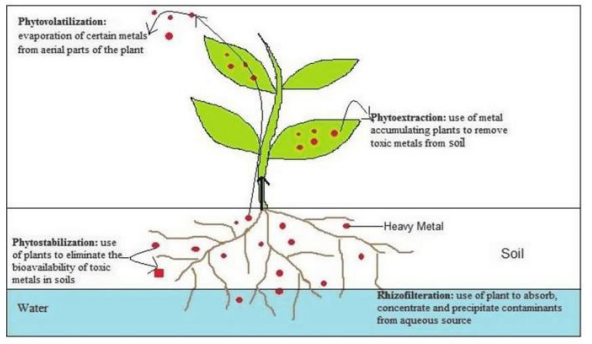 |
| Figure 1:Different types of phytoremediation |
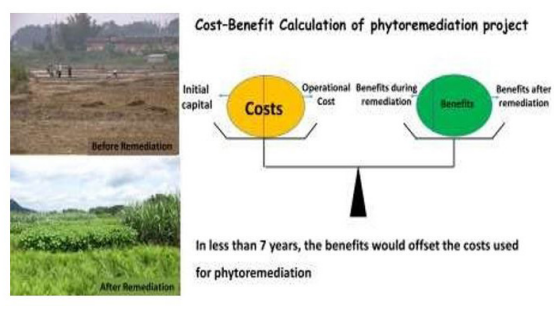 |
| Figure 2:Cost-Benefits of phytore mediation |
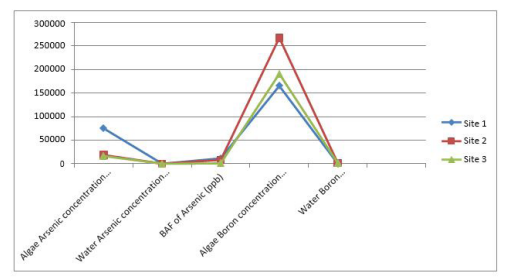 |
| Figure 3:Different sites and their Arsenic and Boron bio-concentration (BCF) and bio-accumulation factors (BAF) |
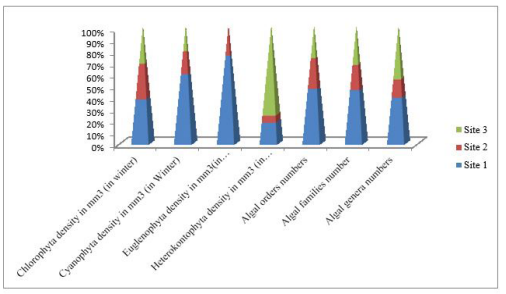 |
| Figure 4:Sites with different Algal type, algal number and density |
Introduction
Many environmental pollutants move through food chains and accumulate at sizeable levels in the tissues of animals and man [1,2]. A high environmental persistence and high lipophilicity chemicals should be thoroughly investigated for their potential toxicity through bio concentration and bioaccumulation, both measured for long periods of exposure
Boron (B) is a non-metal element in Group 13 of the Periodic Table. Properties of B are very close to carbon and silicon. This element has one less valence electron than valence orbitals. Due to small size and high ionization energies, boron results in covalent bonding rather than metallic bonding [1]. B is a rare element in the Earth, representing only 0.001%. In 1824, the first boron compound was synthesized by [5,6]. Many boron compounds with different metals and nonmetals are used in industry, such as detergent production, glass and ceramic manufacture, agriculture and textile [7]. It also has application in the semiconductor industry. Boron is added to pure semiconductor materials such as silicon, germanium and silicon carbide in small amounts to alter its conductive properties for use in transistors and diodes
Determination of boron requires sufficiently sensitive procedures for detection at the g L-1 or lower levels. Spectrofluorimetry is another sensitive technique for boron determination where complexes of B are formed and their fluorescence intensity is measured at a specific wavelength.
Boron is absorbed almost completely by gastrointestinal and respiratory systems and mostly present in body tissues and fluids as Boric acid B (OH)3 and in lesser amounts as B(OH)4 anion [33]. Boric acid is known as a natural com-pound and it is taken from water, vegetables and many other foods through diet [34]. In many populations food ingredients [35] and occasionally drinking water are the major source of boron intake. The amount of boron intake by people is dependent on the types of food consumed [36].
Food stuffs such as fruits, vegetables with leaves and legumes contain relatively high amounts of boron. Boron concentration in meat, fish and dairy food products is not high. Coffee and milk contain low amount of boron. However, in populations with high coffee consumption this beverage can be a major source of boron intake. Hazelnut butter, avocado, vine, peanuts and other nuts with shells have high amounts of boron [33]. According to WHO (World Health Organization), it is expected that the amount of boron taken is 0.44 g /day via air, 0.2-0.6 mg/day via drinking water and 1.2 mg/day via diet [31].
The data from accidental poisonings indicate that the acute lethal dose of boric acid is 3000-6000 mg for infants and 15,000-20,000 mg for adults. Clinical effects include irritability, seizures and gastrointestinal disturbances. There have also been reports of inflammation, congestion, exfoliation of the mucosa, exfoliative dermatitis, findings of cloudy swelling and granular degeneration of renal tubular cells and oedema. Clinical symptoms of boron toxicity have been reported within the dose range 100 to 55,500 mg depending on age/body weight. Inter-individual variability appears to be high [25]. Boron compounds are toxic to all species tested at high doses, but they are not mutagenic or carcinogenic. The major chronic toxicities are developmental and reproductive [19].
The reported developmental toxicities occurring after boron exposure include high prenatal mortality, reduced fetal body weight, cardiovascular system, central nervous system, malformations of the eyes, cardiovascular system, and axial skeleton. There is no data in particular regarding the ability of boron to cross the placenta or accumulate in fetal tissues [30-32].
Boron contamination is a serious environmental problem affecting both ecosystems and human activities [17]. Expo-sure to large amounts of boron over short periods of time can affect the stomach, intestines, liver, kidney, and brain and can eventually lead to death [18]. In order determining the environmental fate of released chemicals from different pollutant sources, to determine their bioconcentration in aquatic species is essential. Bio-concentration factor (BCF) of a chemical compound is defined as the ratio between the concentration of that chemical in an organism and the concentration of the chemical compounds in the aqueous environment [2, 19-26].
Arsenic have been classified as group I carcinogens based on human epidemiological data [16]. Some aquatic macrophytic species (Eichhornia crassipes, Lemna gibba, Lemna minor, Spirodela polyrhiza, Ipomoea aquatic, Azolla caroliniana, Azolla filiculoides, Azolla pinnata, Pistia stratiotes, Hydrilla verticillata and Lepidium sativum) have been reported to accumulate high level of arsenic from contaminated water. Their arsenic uptake ability, mechanisms and their potential in phytoremediation technology have been studied and evaluated [9].
The calculation of BCFs can be based on the wet weight (BCFw) or on the lipid content (BCFl), of the aquatic organism or its tissue. BCFs are usually determined for various species of fish, but other aquatic organisms can be used, such as algae or mussels. Aquatic organisms can accumulate chemical compounds both directly from the environment (via skin or respiratory surface) and indirectly (by collecting and concentrating a chemical compound from food). This process is called bioaccumulation, and is measured with the bioaccumulation factor (BAF) which is defined as the ratio of the concentration of a chemical accumulated inside an organism to the concentration in the surrounding environment [1,2,4,16].
The bioaccumulation level depends on the nature of the chemical compound, species, duration of exposure, concentration in water and its accumulation level in food [27]. BAF was categorized as: < 1 excluder, 1-10 accumulator-tors, >10 hyper-accumulators [28,29]. [14] in their studies on growing algae in rice fields showed that algae can hyper accumulate as from water [14]. Also a rice variety receiving arsenic-contaminated irrigation water ranging from 0 to 2.0mg as/L, and grown with and without algae, showed that the presence of algae in the growth medium reduces as accumulation in rice. The pot experiment showed that algae could reduce accumulation of arsenic in rice plants by as much as 71%. Algal growth was also found to depress arsenic accumulation in soil [15].
Given its well established toxicity and know hazards, knowledge about arsenic is of great importance in the field of environmental health. Arsenic is a metalloid, which possesses char- acteristics of both a metal and a non-metal, and is widely distributed in the soil, water, air, and rocks. Among the types of naturally occurring arsenic, inorganic arsenic is most prevalent. While naturally occurring arsenic cannot be destroyed, it can react with oxygen or other molecules in the air, water, or soil to form various compounds [1]. Examples of inorganic arsenic compounds include trivalent arsenite and pentavalent arsenate. Examples of organoarsenic compounds, or organoarseni-cals, include monomethylarsonic acid (MMA), dimethylarsonic acid (DMA), trimethylarsonic acid and arsenobetaine. Arsenic is used in the semiconductors, glassware, alloys, and wood preservatives. In addition, arsenic was commonly found in pesticides, but has since been removed. Furthermore, arsenic has been utilized in medicine; historically, to treat syphilis, yaws, and amoebic dysentery [2], and recently, to treat leukemia [3].
Human exposure to arsenic occurs through the oral, respiratory, or dermal routes. In ordinary individuals who are not ex-posed to arsenic through their work environment, the main source of arsenic exposure is likely to be through oral exposure from water, soil, and contaminated agricultural and fish products [4].
Exposure to trivalent or pentavalent inorganic arsenic compounds occurs through contaminated water, air, or soil; however, exposure to organo-arsenic chemicals occurs through the consumption of marine animals and plants. Toxicity to the human body varies across the different forms of arsenic. Inorganic arsenic compounds are more toxic than organoarsenic chemicals are, and trivalent arsenite is more toxic than pentavalent arsenate is [4]. The major arsenical in most species is arsenobetaine, which human cannot metabolize and is considered to have negligible toxicity. However, arsenic was confirmed as a carcinogenic agent in humans associated with skin and lung cancers [5]. The US Environmental Protection Agency has lowered its permitted arsenic concentration in drinking water from 50 to 10 ppb, and this permitted concentration is likely to be decreased further [6,7].
Urinary arsenic is regarded as the most useful general indicator of arsenic exposure, because it reflects digestive and respiratory exposures. Arsenic absorbed into the body is metabolized and expelled mainly through the urine, the separation and quantification of trivalent and pentavalent inorganic arsenic, as well as that of MMA and DMA, is believed to be the most accurate indicator of a recent arsenic exposure [7].
There are numerous abandoned metal mines with high arsenic contamination levels in the soil, and these mines pose a risk of environmental arsenic contamination [8]. Moreover, a large proportion of the average human diet includes fish, shellfish, and marine plants such as seaweed and kelp, which often contain arsenic.
Absorbed arsenic binds to red blood cells, and deposits in the liver, kidneys, muscle, bone, hair, skin, and nails, but is expelled mainly through the urine. Inorganic arsenic com-pounds suppress the activities of various enzymes involved in cellular respiration, glutathione metabolism, and DNA synthesis, and may pass through the placenta affecting the development of the fetal nervous system [9]. Arsenic metabolism is a complex process that involves more than five metabolites, and begins with the methylation of inorganic arsenic compounds. In the body, the inorganic arsenic compound pentavalent arsenate is converted into trivalent arsenite.
The carcinogenicity of arsenic has been confirmed; however, the precise mechanisms that acute or chronic exposure to arsenic performs to induce cancer are not yet understood. The toxic mechanism of arsenic is complex, because arsenic toxicity is affected by its oxidation state and solubility, in addition to numerous other internal and external factors [12]. Recent studies have shown that the toxicity of arsenic is dependent on the exposure amount, length, and frequency; the biological species; age; sex; individual sensitivity; genetics; and nutritional factors [13].
Water pollution is one of the human problems in recent century. It is known as increasing some element concentration having poisonous potential from the standards, can produce irreparable environmental effects [7]. A variety of both biotic and abiotic factors have been implicated in determining the boundaries of species distributions and water qualification. Biotic factors important to segregation include resources, predators and aquatic macrophytes. Abiotic factors such as dissolved oxygen, temperature and light can also influence the distribution of aquatic species [8,9]. So, studying biological and physicochemical factors of water is necessary for finding suitable and economic ways for water quality improvement.
Phytoremediation is one new approach that offers more ecological benefits and a cost efficient alternative. The plant used in the phytoremediation technique must have a considerable capacity of metal absorption, its accumulation and strength to decrease the treatment time [3]. The chemical compounds bioconcentration and bioaccumulation in aquatic and terrestrial organisms represent important criteria for ecotoxicological evaluation and hazard assessment [4,5]. Recent developments in environmental research have revealed that many living organisms can accumulate certain toxicants to body concentrations much higher than present in their environments [6].
Biological filtration of water is one of the standard and economical methods in comprising with other methods. Some living organisms such as algae are able to reduction or removing toxic elements by absorption from their environment. This method is called phytoremediation [10]. Phytoremediation is considered the remediation technique that generates the lowest negative environmental impact on the remediation sites and can be applied into newly developed urban areas because of its high public acceptance and its function as an aesthetical pleasure [11].
Algae are a group of living organisms that play an important role in controlling metal concentration in lakes and oceans [12,13] and the density and absorption of pollutants such as heavy metals in their environment[10]. The ability of algae to absorb metals has been recognized for many years. Algae possess the ability to take up toxic elements from the environment, resulting in higher concentrations than those in the surrounding water [11,14]. Bioaccumulation studies re-veal the accumulation of the contaminant in the organism via uptake of food or water containing the contaminant [15].
This review article briefly covers works done to solve the problems of attempt to examine the possible extent of phytoremediation of Arsenic and Boron by algae in waters by calculating bioconcentration and bio-accumulation factors in algae.
Why Phytoremediation’s?Refers to the natural ability of certain plants to bioaccumulate, degrade, or render harmless contaminants in soil, water, or air. Toxic heavy metals and organic pollutants are the targets for phytoremediation Phytoremediation is a cost-efficient plantbased approach that takes advantage of the ability of plants to concentrate elements and compounds from the environment and metabolize various molecules in their tissues [15] (Figures 1 and 2).
It also refers to a cost-efficient plant-based approach that takes advantage of the ability of plants to concentrate elements and compounds from the environment and metabolize various molecules in their tissues. It refers to the natural ability of certain plants to bioaccumulate, degrade, or render harmless contaminants in soil, water, or air. Toxic heavy metals and organic pollutants are the targets for phytoremediation.
What is the application of Phytoremediation?Phytoremediation is usually applied to contaminated soil or water environments that are static. Some of the examples include the restoration of abandoned metal mine workings and sites where polychlorinated biphenyls have been dumped during the manufacture and mitigation of ongoing coal mine, discharges reducing the impact of contaminants in soils, water, or air.
Contaminants such as metals, pesticides, solvents, explosives, and crude oil and its derivatives, have been mitigated in phytoremediation projects worldwide. Many plants such as mustard plants, alpine pennycress, hemp, and pigweed have proven to be successful at hyper accumulating contaminants at toxic waste sites.
Not all plants can accumulate heavy metals or organic pollutants due to differences in the physiology of the plant. Even cultivars within the same species have varying abilities to accumulate pollutants.
Concept of PhytoremediationThere are different types of phytoremediation mechanisms used to remove or detoxify contaminants from soil and water is discussed as follows.
Rhizosphere BiodegradationIn this process, the plant secretes natural substances through its roots and these are nutrients required for growth of microorganisms in the soil. The microorganisms grow rapidly and accelerate biological degradation of contaminants present in soil.
PhytostabilisationIn this process, chemical compounds produced by the plant immobilise contaminants, rather than degrade them.
Phytoaccumulation (Phytoextraction)In phytoaccumulation process, rhizosphere part of the plant roots absorbs the contaminants along with other nutrients and water. The contaminant is not degraded but stored in the part of plant such as shoots and leaves. This method is mostly used for wastes containing metals.
It has been seen that water-soluble metals are taken up by plant species selected for their ability to take up large quantities of metals. The metals are stored in the plants aerial shoots, which are harvested and either smelted for potential metal recovery or are disposed of as a hazardous waste. Generally bioavailable metals for plant uptake include cadmium, nickel, zinc, arsenic, selenium, and copper.
Moderately bioavailable metals are cobalt, manganese, and iron. Lead, chromium, and uranium are not very bioavailable. Chelating agent can play a major role to get metal bioavailable, for example, lead can be made much more bioavailable by the addition of chelating agents to soils. Similarly, the availability of uranium and radio-cesium 137 can be enhanced using citric acid and ammonium nitrate, as chelating agents.
Hydroponic Systems for Treating Water Streams (Rhizofiltration)Rhizofiltration is similar to phyto-accumulation, but the plants used for this purpose are grown in greenhouses with their roots in water not in soil. This system can be used for ex situ groundwater treatment. Groundwater is pumped to the surface to irrigate these plants and at that duration these plants capture contaminants in different part of plants. Typically hydroponic systems utilize an artificial soil medium, such as sand mixed with perlite or vermiculite. As the roots become saturated with contaminants, they are harvested and disposed of.
PhytovolatilisationThis is the process in which plants take up water containing organic contaminants and release the contaminants into the air through their leaves as volatile components.
PhytodegradationThis process is based on the degradation capability of specific plant species for a particular contaminant. In this process, plants actually metabolise and degrade contaminants within plant tissues.
Hydraulic ControlIn hydraulic control process, we can use trees as they have capability to carry water from very deep compare to plants. They indirectly remediate by controlling groundwater movement. Trees act as natural pumps when their roots reach down towards the water table and establish a dense root mass that take up large quantities of water. For example- A poplar tree, pulls out of the ground 30 to 35 gallons of water per day, and a cottonwood can absorb up to 340 gallons per day
Limitations and Concerns of PhytoremediationThe toxicity and bioavailability of products after biodegradation, is not always known. These degradation by-products may be mobilized in groundwater or bioaccumulated in animals or other aquatic life. It is needed to determine the fate of various compounds produced during degradation of contaminants in the plant metabolic cycle to ensure that plant parts/droppings and products do not contribute toxicity or harmful chemicals into the food chain.
It is also needed to understand whether contaminants that collect in the leaves and wood of trees are released when the leaves fall in the autumn or when firewood or mulch from the trees is used. Disposal of harvested plants containing contaminants can be a problem if they contain high concentration of heavy metals as contaminants.
The location of contaminants inside soil in a limiting factor for it remediation. The treatment zone is determined by plant capacity to reach root up to which depth, it is limited to shallow soils, streams, and groundwater.
If the plant root is not capable to reach up to that depth where contaminants are present in water then pumping the water out of the ground and using it to irrigate plantations of trees may be the option to treat contaminated groundwater in such case. Generally, the use of phytoremediation is limited to sites with lower contaminant concentrations and contamination in shallow soils, streams, and groundwater.
However, researchers are finding that the use of trees (rather than smaller plants) allows them to treat deeper contamination because tree roots have capability to reach up to more depth into the ground.
The success of phytoremediation may be seasonal, depending on location and climatic conditions of the area where the plant are to be grown. These climatic factors will also influence its effectiveness. The success of remediation also depends upon the selection of plant species from plant community. Bioremediation using plants is time taking process as the establishment of the plants may require several seasons of irrigation.
It is important to consider extra mobilisation of contaminants in the soil and groundwater during bioremediation if possible. High concentration of contaminant also limits this process as contaminant concentration is too high, plants may die. Phytoremediation is not effective for strongly absorbed contaminants such as polychlorinated biphenyls (PCBs). Phytoremediation also requires a large surface area of land for remediation.
Application of PhytoremediationPhytoremediation is used for the removal/treatment of metals, radionuclides, pesticides, explosives, fuels, Volatile Organic Compounds (VOCs) and Semi Volatile Organic Compounds (SVOCs). Researchers are also trying to find out the role of phytoremediation to remediate perchlorate, a contaminant that has been shown to be persistent in surface and groundwater systems. It may be used to cleanup contaminants found in soil and groundwater. For radioactive substances, chelating agents are sometimes used to make the contaminants available to plant uptake.
Mechanisms of Heavy Metal Uptake by Plant
Contaminant uptake by plants and its mechanisms have been being explored in different ways. Understanding of this mechanism could be used to optimize the factors to improve the performance of plant uptake.
During the remediation process, plants act both as‗accumulators‘ and ‗excluders‘. Accumulators survive despite concentrating contaminants in their aerial tissues. They biodegrade or biotransform the contaminants into inert forms in their tissues. The excluders restrict contaminant uptake into their biomass.
Plants have developed highly specific and very efficient mechanisms to obtain essential micronutrients from the environment, even when present at low concentration. Plant roots, aided by plant based chelating agents, plant induced pH changes and redox reactions are able to solubilise and take up micronutrients from very low levels in the soil.
Plants have also developed highly specific mechanisms to translocate and store micronutrients. These mechanisms are also used in the uptake, translocation, and storage of toxic elements, whose chemical properties simulate those of essential elements. Therefore, mechanisms of micronutrient uptake having great interest to phytoremediation.
Classification of Phytoremediation: PhytoextractionPhytoextraction is the uptake/absorption and translocation of contaminants by plant roots into the plants shoots that can be harvested and burned to obtain energy and recycling the metal from the ash.
PhytostabilisationPhytostabilisation is the process of remediation in which certain plant species are used to immobilize the contaminants in the soil and groundwater. This occurs through absorption and accumulation in plant tissues, adsorption onto roots, or precipitation within the root zone preventing their migration in soil, as well as their movement by erosion and deforestation.
RhizofiltrationRhizofiltration is the process in which adsorption or precipitation of contaminants takes place onto plant roots or absorption and sequesterisation in the roots. Contaminants that are present in solution form surrounds the root zone by constructing wetland for cleaning up contaminated wastewater.
PhytovolatilisationPhytovolatilisation is the uptake and removal of a contaminant by a plant, with release of the contaminant or a modified form of the contaminant to the atmosphere from the plant as transpiration occurs. Phytovolatilisation occurs when growing trees and other plants take up water along with the contaminants present in water. These contaminants pass through the plants to the leaves and volatilise into the atmosphere at comparatively low concentrations.
Plants also play an important role in physically stabilising the soil with their root system. This is also helpful for preventing erosion, protecting the soil surface, and reducing the impact of rain. At the same time, plant roots release nutrients that help to improve the growth of microbes to convert in to a rich microbial community in the rhizosphere.
Presence of bacterial community and its composition in the rhizosphere region is affected by complex interactions between soil type, plant species, and root zone location. Population of microorganisms is generally higher in the rhizosphere compare to the root-free soil.
This is due to availability of nutrients nearby this rhizosphere part of soil and also due to a symbiotic relationship between soil micro-organisms and plants. Due to this symbiotic relationship, bioremediation processes can be enhanced. Plant roots also acts as surfaces provider for absorption or precipitation of metal contaminants. In this remediation process the root zone acts as focus of interest.
The contaminants can be absorbed by the root to be subsequently stored or metabolised by the plant. Degradation of contaminants in the soil by plant enzymes released from the roots is also an important phytoremediation mechanism. Many contaminants follow route in which passive uptake takes place, via., micropores in the root cell wall and finally into the root, where degradation can take place.
Factors Affecting the Uptake Mechanisms:There are several factors which can affect the uptake mechanism of heavy metals. By having better understanding and knowledge about these factors, the uptake performance by plant can be greatly improved.
Plant SpeciesSelection of potential plants species or varieties is very important as plant species having better remediation power remediate contaminant very fast. The uptake of a compound is affected by natural characteristics of plant species. The effectiveness of the phytoextraction technique depends upon the identification and selections of suitable plant species that hyper accumulate heavy metals.
Properties of MediumSoil conditioning is most important agricultural practice in which pH adjustment, addition of chelators and use of appropriate fertilizers takes place. This practice also helps to improve the growth and to enhance remediation. For example, the amount of lead absorbed by plants is affected by the pH, organic matter, and the phosphorus content of the soil.
Root ZoneThe root zone is major area of action in phytoremediation. Through this part of plant contaminants can be absorbed, stored and metabolize in to the plant tissue. Degradation of contaminants in the soil by plant enzymes secreted from the roots is another phytoremediation mechanism. A morphological adaptation due to drought stress condition enhance root diameter and reduced root elongation as a response to less permeability of the dried soil.
Vegetative UptakeVegetative uptake by plant is affected by the environmental conditions like temperature which affects growth and root length. Morphology of root structure vary in natural soil conditions and that under greenhouse condition. The success of phytoremediation depends on a contaminant specific hyper accumulator. Metal uptake by plants also depends on the bioavailability of the metal in the liquid phase.
Bioavailability depends on the retention time of the metal, as well as the interaction with other elements and substances in the water. Factors such as pH, redox potential, and organic matter content affect the tendency of the metal to exist in different ionic and plant-available form.
Plants will affect the soil by lowering the pH and oxidize the sediment. This affects the availability of the metals in bioavailable form of heavy metals by the addition of physicochemical factors, such as chelating agents and micronutrients.
Addition of Chelating AgentThe remediation process can be improved by increasing the uptake of heavy metals by the plants can be influenced by increasing the bioavailability of heavy metals. This availability can be increased by addition of biodegradable physicochemical factors such as chelating agents, and micronutrients. This can also be improved by stimulating the heavy metal uptake capacity of the microbial community around rhizosphere part of the plant.
The application of chelating agents in heavy metal contaminated soils may promote leaching of the contaminants into the soil. Bioavailability of heavy metals in soils decreases above pH 5.5-6. Therefore, use of a chelating agent is beneficial in alkaline soils. It has been observed that plant exposure to chemicals such as EDTA for a longer period up to 15 days, could improve metal translocation in plant tissue as well as the overall phytoextraction activity.
Selection of appropriate concentration of chelating agents plays crucial role. For example, application of a synthetic chelating agent (EDTA) at 5mmol/kg yielded positive results. Plant roots release citric and oxalic acids, which affect the bioavailability of metals.
In chelate assisted phytoremediation, synthetic chelating agents such as NTA and EDTA are added to enhance the phytoextraction of soil polluting heavy metals. The leaching of metals can be improved for bioavailability of metal to plant by presence of a ligand. This ligand accelerates the uptake of heavy metals through the formation of metal- ligand complexes to leach metals below the root zone
Catastrophic consequences of Arsenic and BoronBoron can be found in water systems as a result of natural or anthropogenic sources. Natural B is derived from geothermal discharges, leaching from a large variety of rocks, or the mixing of groundwater with oil field water or connate or fossil brines. High B concentrations of thermal waters cause environmental problems in ground waters and surface waters [5]. Anthropogenic B sources include B in washing powders, municipal wastewaters, and industrial residues, B- pesticides, B-fertilizers, etc.
The data from accidental poisonings indicate that the acute lethal dose of boric acid is 3000-6000 mg for infants and 15,000-20,000 mg for adults. Clinical effects include irritability, seizures and gastrointestinal disturbances. There have also been reports of inflammation, congestion, exfoliation of the mucosa, exfoliative dermatitis, findings of cloudy swelling and granular degeneration of renal tubular cells and oedema. Clinical symptoms of boron toxicity have been reported within the dose range 100 to 55,500 mg depending on age/body weight. Inter-individual variability appears to be high [5]. Boron compounds are toxic to all species tested at high doses, but they are not mutagenic or carcinogenic. The major chronic toxicities are developmental and reproductive [5].
The reported developmental toxicities occurring after boron exposure include high prenatal mortality, reduced fetal body weight, cardiovascular system, central nervous system, malformations of the eyes, cardiovascular system, and axial skeleton. There is no data in particular regarding the ability of boron to cross the placenta or accumulate in fetal tissues [5].
Arsenic enrichment in groundwater is a global concern. High As concentrations are found in groundwater for various reasons; leaching of As from Tertiary volcano classic sediments, release of sorbed as where redox conditions in groundwater‘s are reduced [5].
Another source of naturally occurring as is from geothermal discharges. Arsenic is relatively soluble in hot or warm hydrothermal fluids and commonly causes environmental problems downstream of hot spring systems [5]. Environmental problems related to as toxicity are encountered in various parts of the world. The most noteworthy occurrences are in parts of Argentina, Bangladesh, Chile, China, Hungary, India (West Bengal), Mexico, Romania, Taiwan, Vietnam and many parts of the USA [6].
Toxicity related to As-rich groundwater in southern West Bengal (India) and in some parts of Bangladesh is an important problem to which large numbers of people are exposed. Although As-rich pyrite or other As minerals are rare or absent in the affected sediments, As occurs adsorbed on Fe-oxyhydroxide coated sand grains and clay minerals [5]. Many areas in Europe also are affected by elevated As concentrations, such as Hungary, Romania, Greece, Spain, Finland and Germany [5]. High As concentrations in ground waters from geothermal sources have been found in Northern Greece where drinking waters with a s concentrations up to 120 lg/L are being consumed [5]. High As contents of geothermal origin up to 6900 lg/L have been detected in the Campanian Volcanic Province of Italy [5]. Concentrations up to 150 lg/L have been detected in the southern part of the Great Hungarian Plain also reported As concentrations, up to 176 lg/L, in the associated aquifers of neighboring Romania [5].
Use and Environmental Release of Arsenic and BoronArsenic used in metallurgical applications because of its metalloid properties. About one percent arsenic content is desirable in the manufacture of lead shot, for example, because it improves the roundness of the molten drops. Bearing alloys based on lead are improved in both thermal and mechanical properties when they contain about 3 percent arsenic. A small amount of arsenic in lead alloys hardens them for use in batteries and cable sheathing. Small concentrations of arsenic improve the corrosion resistance and thermal properties of copper and brass. Elemental arsenic is also used in bronzing and in pyrotechnics. Very highly purified arsenic finds applications in semiconductor technology, where it is used with silicon and germanium, as well as in the form of gallium arsenide, Ga, As, for diodes, lasers, and transistors.
Because arsenic has a range of oxidation states from -3 to +5, it can form a variety of different kinds of compounds. Among the most important commercial compounds are the oxides, the principal forms of which are arsenious oxide (As4O6) and arsenic pentoxide (As2O5). Arsenious oxide, commonly known as white arsenic, is obtained as a by-product from the roasting of the ores of copper, lead, and certain other metals as well as by the roasting of arsenopyrite and arsenic sulfide ores.
Arsenious oxide provides the starting material for most other arsenic compounds. It is also utilized in pesticides and serves as a decolourizer in the manufacture of glass and as a preservative for hides. Arsenic pentoxide is formed by the action of an oxidizing agent (e.g., nitric acid) on arsenious oxide. It comprises a major ingredient of insecticides, herbicides, and metal adhesives. Arsine (AsH3), a colorless poisonous gas composed of arsenic and hydrogen, is another familiar arsenic compound. The gas, also called arsenic hydride, is produced by the hydrolysis of metal arsenides and by the reduction by metals of arsenic compounds in acidic solutions. It has been used as a doping agent for semiconductors and as a military poison gas. Arsenic compounds of particular importance in agriculture are arsenic acid (H3 AsO4)and such salts as lead arsenate (PbHAsO4) and calcium arsenate [Ca3 (AsO4)2], which are useful for sterilizing soils and controlling pests, respectively.
Arsenic also forms numerous organic compounds, as for example tetramethyl diarsine, (CH3)2As―As(CH3)2, used in preparing the common desiccant cacodylic acid. Several complex organic compounds of arsenic have been employed in the treatment of certain diseases, such as amebic dysentery, caused by microorganisms [1].
The major commercial uses of boron are in the production of glass and ceramics. According to the United States Geological Survey (USGS), in 2003 these industries accounted for 78 percent of U.S. consumption of boron compounds. The industries were primarily located in the North Central United States and Eastern United States. Soaps and detergents accounted for an additional 6 percent of U.S. consumption, agriculture accounted for 4 percent, fire retardants accounted for 3 percent, and other uses accounted for 9 percent [7] Experimental uses include recyclable sodium borohydride fuel for powering fuel cell vehicles [7]. Borax and boric acid are used as a neutron absorber in atomic reactors; other miscellaneous uses of borates are found in cosmetics and leather tanning [8]. Boron trichloride is used in the manufacture and purification of boron, for catalysis of organic reactions, in semiconductors, in purification of metal alloys, and in bonding of iron and steels. Boron trifluoride is used predominately in catalysis, but is also used as a fumigant, in metallurgy, and for neutron detection [8].
According to the website of Rio Tinto Borax, the largest commercial producer of borates, world demand for borates is distributed among the following major uses: insulation fiberglass, textile fiberglass, and heat-resistant glass account for 42 percent of world demand; ceramic tile bodies and ceramic and enamel frits and glazes account for 14 percent; detergents, soaps, and personal care products account for approximately 10 percent; agricultural micronutrients account for 7 percent; and other uses, including wood preservatives, flame retardants, and pest control products, account for 27 % [9].
Environmental boron can have natural or anthropogenic sources. Boron is a naturally occurring compound, usually found in inorganic form in sediments and sedimentary rocks. Natural weathering of rocks is thought to be the primary source of boron compounds in water and soil [9]. Such weathering varies geographically, however. In the United States, the richest deposits are in California. Releases to air from oceans, volcanos, and geothermal steam are other natural sources of boron in the environment [9].
Global releases of elemental boron through weathering, volcanic, and geothermal processes are estimated at approximately 360,000 metric tons annually [9]. Human causes of boron contamination include releases to air from power plants, chemical plants, and manufacturing facilities. Fertilizers, herbicides, and industrial wastes are among the sources of soil contamination. Contamination of water can come directly from industrial wastewater and municipal sewage, as well as indirectly from air deposition and soil runoff [9]. Borates in detergents, soaps, and personal care products can also contribute to the presence of boron in water.
Boric acid and its sodium salts are registered for use as pesticides. Data from the U.S. Bureau of Mines, cited in EPA‘s 1994 reregistration eligibility document for boron pesticides [10], suggest that approximately 293,000 pounds of boron minerals were used annually for agricultural purposes around 1990. In the reregistration eligibility document EPA stated that the amount of boron used specifically as pesticide is somewhat less than the amount used for agricultural purposes, and that boric acid use declined significantly during the 1980s [10].
Ambient lakes, rivers, and aquifers are the source of most drinking water. Data on the occurrence of boron in ambient water, as well as biotic tissue and bed sediment, are available from the National Water Quality Assessment (NAWQA) program of the USGS.
Use and Environmental Release of Arsenic and Boron Treatment Technologies for ArsenicAccording to World Health Organisation (WHO) standard set in the year 1993, the maximum limit of arsenic contamination in drinking water is 10μg/L or 10 ppb. [1]. This limit was later adopted by European Union in the year 1998 (council directive 98/83/EC), transposed by Portuguese legislation by Law Decree (DL) number 236/2001 [1, 5]. In the year 2006, United States has also adopted the WHO standard for lowering the federal drinking water standard for maximum limit of arsenic from 50μg/L to 10μg/L [8]. Technologies for removing arsenic from the environment should meet several basic technical criteria that include robustness, no other side effect on the environment, and the ability to sustain water supply systems for long terms and meet the quality requirement of physical chemical, and microbiological approaches [111]. Currently, there are many methods for removing arsenic from the soil contaminated with arsenic, which could be divided into three categories, including physical, chemical, and biological approaches [11].
In the physical approaches, the concentration of arsenic in soil could be reduced by mixture of both contaminated and uncontaminated soils together that will lead to an acceptable level of arsenic dilution [11]. Soil washing is another method which is grouped under physical approaches whereby arsenic contaminated soil will be washed with different concentration of chemicals such as sulfuric acid, nitric acid, phosphoric acid, and hydrogen bromide [11].
The choice of chemicals used for extractant and high cost have often restricted the usage of soil washing into a smaller-scale operations as it is the disadvantages of using soil washing method [11]. Meanwhile, cement can immobilise soluble arsenites and has been successfully used to stabilise As-rich sludge‘s which may be suitable for treating sludges generated from precipitative removal units [11]. Furthermore, the disposal of water treatment wastes containing as, with a particular emphasis on stabilisation/ solidification (S/S) technologies has been assessed for their appropriateness in treating As containing wastes.
In this process, brine resulting from the regeneration of activated alumina filters is likely to accelerate cement hydration. Furthermore, additives (surfactants, cosolvents, etc.) have also been used to enhance the efficiencies of soil flushing using aqueous solutions as water solubility is the controlling mechanism of contaminant dissolution. The usage of surfactant alone gives about 80– 85% of efficiencies in laboratory experiments. Studies indicated that when soil flushing is applied in the field, efficiency can vary from 0% to almost 100%. It often gives moderate efficiencies by using only one product (surfactant, cosolvent, and cyclodextrin). On the other hand, the use of more complex methods with polymer injection leads to higher efficiencies [11].
The current available chemical remediation approaches mainly involving methods such as adsorption by using specific media, immobilization, modified coagulation along with filtration, precipitations, immobilizations, and complexation reactions [11]. The coagulation along with filtration method for removing arsenic from contaminated sources is quite economic but often displayed lower efficiencies (< 90%) [11]. the formation of stable phases, for example, insoluble FeAsO4 (and hydrous species of this compound such as scorodite, FeAsO4 ·2H2 O), is beneficial for the stabilization procedure [11].
Furthermore, the use of selective stabilizing amendments is a challenging task as the majority of polluted sites are contaminated with multiple metal(loid)s. Nanosized oxides and Fe(0) (particle size of 1 to 100nm) are another possible enhancement for the stabilization method [11]. Natural Nano particulate oxides are important scavengers of contaminants in soils [10] and due to their reactive and relatively large specific surface area (tens to hundreds m2 /g), engineered oxide nanoparticles are promising materials for the remediation of soils contaminated with inorganic pollutants [9]. It is reported that chemical remediation gained popularity because of its high success rate, but it could be expensive when someone would like to remediate a large area[9].
In contrast, biological remediation or bioremediation of soils contaminated with either inorganic or organic arsenic present in pesticides and hydrocarbons have been widely accepted in some places. Even though bioremediation suffers several limitations, these approaches have been gaining interest for the remediation of metalloid contaminated soils due to their cost effectiveness. Basically, bioremediation technology could be divided into subcategories: intrinsic bioremediation and engineered bioremediation [11].
Intrinsic bioremediation is generally referred to as the degradation of arsenic by naturally occurring microorganisms without intervention by human, and this method is more suitable for remediation of soil with a low level of contaminants. Engineered bioremediation often relies on intervention of human for optimizing the environment conditions to promote the proliferation and activity of microorganisms that lived in that area. As a result, the usage of engineered bioremediation method is more favorable in the highly contaminated area [11].
Mechanism for arsenic detoxification can be divided into four which known as uptake of As(V) in the form of arsenate by phosphate transporters, uptake of As(III) in the form of arsenite by aquaglyceroporins, reduction of As(V) to As(III) by arsenate reductases, and extrusion or sequestration of As(III) [5]. AQPs have been shown to facilitate diffusion of arsenic [5]. The microbial oxidation of As in Altiplano basins (rivers in northern Chile) was demonstrated by Leiva et al. [5]. The oxidation of As (As(III) to As(V)) is a critical transformation [5] because it favors the immobilization of As in the solid phase. As(III) was actively oxidized by a microbial consortium, leading to a significant decrease in the dissolved As concentrations and a corresponding increase in the sediment's As concentration downstream of the hydrothermal source. In situ oxidation experiments demonstrated that the As oxidation required a biological activity, and microbiological molecular analysis had confirmed the presence of As(III)-oxidizing groups (aro A-like genes) in the system.
In addition, the pH measurements and solid phase analysis strongly suggest that As removal mechanism must involve adsorption or coprecipitation with Fe-oxyhydroxides. Taken together, these results indicated that the microorganismmediated As oxidation contributed to the attenuation of As concentrations and the stabilization of As in the solid phase, therefore controlling the amount of As transported downstream [9]. Since most of the cases of arsenic poisoning are due to the consumption of water contaminated by arsenic, the process of cleaning up or reducing arsenic concentration in water becomes very important. Methods used in reducing arsenic levels in water are primarily divided into (i) physiochemical methods, which include filtration or coagulation sedimentation, osmosis or electrodialysis, adsorptions, and chemical precipitations and (ii) biological methods such as phytoremediation by using aquatic plants or microbial detoxification of arsenic [11].
Generally, two approaches are mainly employed in the phytoremediation method. The first approach uses free-floating plants such as water hyacinth that could adsorb metal(loid) s and the plants would be removed from the pond once the equilibrium state is achieved [11]. The second approach uses aquatic rooted plants (i.e., Agrostis sp., Pteris vittata, Pteris cretica, and others) to remove arsenic from bed filters and from water [11]. Yang et al. [4] stated that the addition of arsenate reducing bacteria will promote the growth of P. vittata in soil. Two important processes in the removal of arsenic from water by microorganisms are biosorption and biomethylation [44]. It is reported that biomethylation (by As(III) S-adenosylmethionine methyltransferase) is the reliable biological process for removing arsenic from aquatic media [14].
Recently, the arsenite (As(III)) S-adenosylmethionine methyltransferase (ArsM) gene has been inserted into the chromosome of Pseudomonas putida KT2440 for potential bioremediation of environmental arsenic [4]. The first structure of As(III) S-adenosylmethionine methyltransferase by X-ray crystallography was described by [4]. In this enzyme, there are three conserved cysteine residues at positions 72, 174, and 224 in the Cm ArsM orthologue from the thermophilic eukaryotic alga Cyanidioschyzon sp. 5508 [4]. Substitution of any of the three led to the loss of As(III) methylation [4]. The relationship between the arsenic and S-adenosylmethionine binding sites to a final resolution of ~1.6Å. As(III) binding causes little change in conformation, but binding of SAM reorients helix α4 and a loop (residues 49–80) towards the As(III) binding domain, positioning the methyl group to be transfer to the metalloid [4].
Treatment Technologies for BoronThere is no evidence that boron and boron compounds are significantly removed by conventional treatments, such as coagulation/flocculation, sedimentation, and inert media filtration. Two treatment technologies that may be appropriate are ion exchange and reverse osmosis.
Ion exchange involves the selective removal of charged inorganic species from water using an ion-specific resin. The surface of the ion exchange resin contains charged functional groups that hold ionic species by electrostatic attraction. As water passes by the resin, charged ions on the resin surface are exchanged for the contaminant species in the water. When all of the resin‘s available exchange sites have been replaced with ions from the feed water, the resin is exhausted and must be regenerated or replaced.
[4] Evaluated eight technologies for their ability to remove boron from evaporator product water at power plants. Boron concentration in the evaporator product water averaged 11 mg/L, and ran- ged as high as 38 mg/L. Only three technologies successfully reduced boron levels to below 0.3 mg/L.These were a boron specific ion exchange resin, a process of coagulation, precipitation and filtrat-ion, and a strong base anion-exchange resin. [14] Dismissed the coagulation, filtration, and filtration process as unacceptable due to high chemical dosage requirements and high operating cost. Of the two ion exchange methods, [14] determined that the strong-base anion exchange resin would have lower regeneration costs, at least in the case of the evaporator product water, which is low in dissolved solids.
Reverse osmosis (RO) is similar to other membrane processes, such as ultrafiltration and Nano filtration, in that water passes through a semi-permeable membrane. However, in the case of RO, the membrane is non-porous. RO involves the use of applied hydraulic pressure to oppose the osmotic pressure across the membrane, forcing the water from the concentrated- solution side to the dilute-solution side. The water dissolves into the membrane, diffuses across, then dissolves out into the permeate. Most inorganic and many organic contaminants are rejected by the membrane and will be retained in the concentrate [12]. [18] Tested hollow-fiber (HF) RO and spiral-wound (SW) RO in two separate treatment plants in New Mexico. At the treatment plant in San Jon, with influent boron levels of 0.75 mg/L, HF RO and SW RO removed 15 percent and 3 percent of boron, respectively. At Alamogordo, however, where influent concentrations were lower (0.09 mg/L), HF RO and SW RO were ineffective; in fact, boron concentrations rose to 0.14 mg/L and 0.13 mg/L, respectively. These findings suggest that the potential for RO use in boron treatment is limited [13].
However the above mentioned methods for the treatments of Arsenic and Boron were either expensive or produce secondary waste which further complicates the environmental cleaning procedures. Nevertheless phytoremediation is cost effective environmental friendly and top quality treatment technology for the treatments of Arsenic and Boron in which almost all the research in the area suggest that [13].
Advantages of Phytoremediation for Environmental PollutantsMany environmental pollutants move through food chains and accumulate at sizeable levels in the tissues of animals and man [1,2]. A high environmental persistence and high lipophilicity chemicals should be thoroughly investigated for their potential toxicity through bio concentration and bioaccumulation, both measured for long periods of exposure.
Phytoremediation is one new approach that offers more ecological benefits and a cost efficient alternative. The plant used in the phytoremediation technique must have a considerable capacity of metal absorption, its accumulation and strength to decrease the treatment time [3]. The chemical compounds bio concentration and bioaccumulation in aquatic and terrestrial organisms represent important criteria for Eco toxicological evaluation and hazard assessment [4,5]. Recent developments in environmental research have revealed that many living organisms can accumulate certain toxicants to body concentrations much higher than present in their environments [6].
Water pollution is one of the human problems in recent century. It is known as increasing some element concentration having poisonous potential from the standards, can produce irreparable environmental effects [7]. A variety of both biotic and abiotic factors have been implicated in determining the boundaries of species distributions and water qualification. Biotic factors important to segregation include resources, predators and aquatic macrophytes. Abiotic factors such as dissolved oxygen, temperature and light can also influence the distribution of aquatic species [8,9]. So, studying biological and physicochemical factors of water is necessary for finding suitable and economic ways for water quality improvement.
Biological filtration of water is one of the standard and economical methods in comprising with other methods. Some living organisms such as algae are able to reduction or removing toxic elements by absorption from their environment. This method is called phytoremediation [10]. Phytoremediation is considered the remediation technique that generates the lowest negative environmental impact on the remediation sites and can be applied into newly developed urban areas because of its high public acceptance and its function as an aesthetical pleasure [11].
Algae are a group of living organisms that play an important role in controlling metal concentration in lakes and oceans [12,13] and the density and absorption of pollutants such as heavy metals in their environment [10]. The ability of algae to absorb metals has been recognized for many years. Algae possess the ability to take up toxic elements from the environment, resulting in higher concentrations than those in the surrounding water [11,14]. Bioaccumulation studies reveal the accumulation of the contaminant in the organism via uptake of food or water containing the contaminant [1].
Arsenic have been classified as group I carcinogens based on human epidemiological data [1]. Some aquatic macro-phytic species (Eichhornia crassipes, Lemna gibba, Lemna minor, Spirodela polyrhiza, Ipomoea aquatic, Azolla caro-liniana, Azolla filiculoides, Azolla pinnata, Pistia stratiotes, Hydrilla verticillata and Lepidium sativum) have been re-ported to accumulate high level of arsenic from contami-nated water. Their arsenic uptake ability, mechanisms and their potential in phytoremediation technology have been studied and evaluated [9].
Boron contamination is a serious environmental problem affecting both ecosystems and human activities [17]. Expo-sure to large amounts of boron over short periods of time can affect the stomach, intestines, liver, kidney, and brain and can eventually lead to death [18]. In order determining the environmental fate of released chemicals from different pollutant sources, to determine their bio concentration in aquatic species is essential. Bioconcentration factor (BCF) of a chemical compound is defined as the ratio between the concentration of that chemical in an organism and the concentration of the chemical compounds in the aqueous environment [2,19-26]. The calculation of BCFs can be based on the wet weight (BCFw) or on the lipid content (BCFl), of the aquatic organism or its tissue.
Aquatic organisms can accumulate chemical compounds both directly from the environment (via skin or respiratory surface) and indirectly (by collecting and concentrating a chemical compound from food). This process is called bioaccumulation, and is measured with the bioaccumulation factor (BAF) which is defined as the ratio of the concentration of a chemical accumulated inside an organisms to the concentration in the surrounding environment [1,2,4,16]. The bioaccumulation level depends on the nature of the chemical compound, species, duration of exposure, concentration in water and its accumulation level in food [27]. BAF was categorized as: < 1 excluder, 1-10 accumulators, >10 hyper accumulators [28,29]. [14] in their studies on growing algae in rice fields showed that algae can hyper accumulate as from water.
Also a rice variety receiving arsenic-contaminated irrigation water ranging from 0 to 2.0mg as/L, and grown with and without algae, showed that the presence of algae in the growth medium reduces As accumulation in rice. The pot experiment showed that algae could reduce accumulation of arsenic in rice plants by as much as 71%. Algal growth was also found to depress arsenic accumulation in soil [14].
Why Algae as Treatment Technology?Algae grow quickly, need relatively low-nutrient inputs, and get their energy from sunlight. Algae can thrive in saltwater and even wastewater, so large-scale algae production need not further tax our already over-subscribed fresh water resources.
Algae farms can use land that‘s otherwise unsuitable for conventional agriculture. This means algae growth won‘t compete with food production, unlike traditional biofuel row crops, such as corn or soybeans. Compared to crops used to produce vegetable oil, algae can generate up to 50 times the amount of oil per acre.
Algae take carbon dioxide (CO2 ) from the air while growing, making carbon sequestration a beneficial by-product of largescale algae production. Algae farms could be located near industrial pollution sources, such as carbon-producing refineries or power plants, and help clean the air by consuming CO2 as they grow.
Microalgae culture offers an interesting step for wastewater treatments, because they provide a tertiary biotreatment coupled with the production of potentially valuable biomass, which can be used for several purposes. Microalgae cultures offer an elegant solution to tertiary and quandary treatments due to the ability of microalgae to use inorganic nitrogen and phosphorus for their growth. And also, for their capacity to remove heavy metals, as well as some toxic organic compounds, therefore, it does not lead to secondary pollution.
Applications of Algae for the Phytoremediation’s of Arsenic and Boron PollutantsToday drinking water quality, water pollutant and cleaning water are important topics in applied hydrology. Algae play an important role in controlling metal concentration in lakes and oceans. Their ability to absorption metals and taking up toxic elements from the environment has been recognized for many years. The ability of algae to absorb metals has been recognized for many years. Algae possess the ability to take up toxic elements from the environment, resulting in higher concentrations than those in the surrounding water [4].
According [1] investigations, algal flora studies showed existing four algal divisions (Chlorophyta, Cyanophyta, Euglenophyta and Heterokontophyta) in all of sample sites wast waters with the exception of site that lacked Euglenophyta. Table 1 and Figure 2 show the divisions concentrations. The most algal genera variation was observed in site 3. Site 1 had the highest level of family and order numbers (Table 1). Site 1 showed the highest Chlorophyta and Cyanophyta density (mm3 ), while, Heterokontophyta had the highest concentration in site 3 Figure 1 [1].
As th Table shows algal Arsenic concentration (ppb) of site 1 is higher than two others, whiles, site 2 had the most algae Boron concentration (ppb). A1 site showed the highest level of Arsenic and Boron bio-accumulation factors (BAFs) (Table 1) [1].
From the investigation done by [1], we have seen that absences (in site 3) or low density presences (in site 2 and site 3) of Euglenophyta in all three studies sample sites in winter depended on low water temperature (Figure 1). As [14] showed temperature regulates the density and diversity of zoo-plankton in freshwater. Their data showed that maximum zooplankton density occurred in 26.5℃ to 28.1℃ air and water temperature [36]. Also [1] studies showed the most frequency of Euglenophyta was observed in increasing water temperature and entering organic com-pounds into the water.
Also bio-accumulation factors (BAFs) for these elements were higher than 10. Therefore Chlorophyta and Cyanophyta are hyper-absorbent and hyper-accumulator for Arsenic and Boron [28]. Comparison of Arsenic and Boron BAFs in three studied sites showed the highest level in A1 for both elements (Table 1). It is believed that Chlorophyta and Cyano-phyta have absorbed and accumulated these elements from their environment into their bodies. Then these algae can be hyper-phytoremediator and their presence in water reduced water Arsenic and Boron pollutant [1].
In site 3, by the reason Heterokontophyta high density and low density of Cyanophyta, it’s Arsenic and Boron water is more than two other sites. Based on these results it can be concluded that existing pectocellulose compounds in Chlorophyta and silica in Heterokontophyta cell walls have prevented of Arsenic and Boron high level absorption from their environment. Studies of physic-chemical effects of water especially heavy metals concentrations on algae density in three springs of Sang-ENoghreh area, Iran in winter showed that positive correlations between Arsenic concentration and Heterokon-tophyta density [1].
Phytoremediation of waters by aquatic organisms such as algae has been recently explored for the removal of organic pollutants possessing endocrine disrupting capacity (30). Also [13] reported using marine phytoplanktons (Tetracelmis chuii and Chaetoceros calcitrans) as phytoremediators (20).
[13] Studies showed that algae have the potential to accumulate Pb, Cd, Cu, and Zn. Algae can thus be used in bio-monitoring of heavy metal pollution in urban stream water since it can be used in quantification of pollutants. Concentrations of heavy metals in algal biomass reflect metal load in the stream water. Algae can therefore be used in the phytoextraction process of heavy metals in aquatic urban stream water and wastewater effluents [14] showed that Navicula (a Heterokontophyta genus) was able to Arsenic bio-absorption from its environment.
According to the studies by [1] and above cases pure cultivation of each algae genus from Chlorophyta, Cyano-phyta and Heterokontophyta in different pollutant media is separately suggested.
Among all these investigations performed by numerous researchers, approach of algal phytoremediation will be advantageous for designing and implementing of the treatments of pollutants such as Arsenic and Boron from the environment because of its environmental friendliness, cost effective and natural remediation‘s system.
Summary
From the foregoing, it is logical to summarize that Algal Phytoremediation offer a promising avenue to treat the dangerous pollutant in the environment such as Arsenic and boron which have a devastating impact on the health of human, animal and the whole environments. Phytoremediation has been advanced in the last few years by increased understanding of the mechanisms of plant uptake and the various types of enzymatic metabolism that occur.
Algae play an important role in controlling metal concentration in lakes and oceans. Their ability to absorption metals and taking up toxic elements from the environment has been recognized for many years. The ability of algae to absorb metals has been recognized for many years. Algae possess the ability to take up toxic elements from the environment, resulting in higher concentrations than those in the surrounding water.
Our review of the investigations of phytoremediation capacity of algal flora studies showed existing four algal divisions in all of sample sites waters with the exception of site that lacked Euglenophyta. Therefore Chlorophyta and Cyanophyta are hyper-absorbent and hyper- accumulator for Arsenic and Boron.
In addition, effects of algal density, types of algae used were explored in detail, which have provided comprehensive understanding of the interaction between bioaccumulations of algae and mechanisms of uptake of the pollutants. Phytoremediation‘s of algae have been reviewed for various sites with different compositions of algae and its density. Moreover the bioaccumulations factor of different algae was proven successful in detoxifying the water, waste water from the pollutions of Arsenic and Boron.
References
- Mitra N (2012) Studies of Water Arsenic and Boron Pollutants and Algae Phytoremediation in Three Springs, Iran, International Journal of Ecosystem 2: 32-7.
- Çiçek A (2014) Boron and Arsenic Levels in Water, Sediment, and Tissues of Carassius Gibelio in a Dam Lake. Pol J Environ Stud 23: 1843-8.
- Bakirdere ET (2010) Effect of Boron on Human Health. The Open Mineral Processing Journal 3.
- Hong YS, Song KH, Chung JY (2014) Health effects of chronic arsenic exposure. J Prev Med Public Health 47: 245-52.
- Gemici U, Tarcan G, Helvacı C, Somay AM (2008) High arsenic and boron concentrations in groundwaters related to mining activity in the Bigadiç borate deposits (Western Turkey), Applied Geochemistry 23: 2462-76.
- Smedley PL, Kinniburgh DG (2002) A Review of the Source, Behavior and Distribution of Arsenic in Natural Waters. Applied Geochemistry 17: 517-68.
- Reilly TE, Harbaugh AW (2004) U.S. Geological Survey Scientific Investigations Report 2004-5038—Version 1.01, USA.
- ATSDR (1992) Agency for Toxic Substances And Disease Registry (Atsdr (1992)).
- Rio Tinto Borax (2004). U.S. Borax, Refined Boron: Essential, Every day, Everywhere, USA.
- EPA (1994) United States Environmental Protection Agency, Report, 1994, USA.
- WHO (1993) Drinking Water Guide lines Second Edition, WHO, Geneva, Switzerland.
- Wong JM (1984) Boron Control In Power Plant Reclaimed Water For Potable Reuse 10.1002/Ep.670030104.
- Foster JC, Stiles GS, Doupnik JR (1980) Radar Observations of Cleft Dynamics. Journal of Geophysical Research 85: 10.1029/ Ja085ia07p03453.
- Imamul Huq SM, Abdullah MB, Joardar JC (2007) Bioremediation Of Arsenic Toxicity By Algae In Rice Culture Land Contamination & Reclamation 15.
- Imamul Huq SM, Abdullah MB, Joardar JC (2007) Bioremediation Of Arsenic Toxicity By Algae In Rice Culture, Land Contamination & Reclamation 15: 327-34.
- Meylan WM, Howard PH, Boethling RS, Aronson D, Printup H, et al. (1999) Improved Method For Estimating Bioconcentration/ Bioaccumulation Factor From Octanol/Water Partition Coefficient. Environ Toxicol Chem 18: 664-72.
- Kayama Y (2010) Treatments Of Severely Bo-RonContaminated Soils For Phytorestoration, Phytorestora-Tion, Spring.
- Hughes MF (2002) Arsenic Toxicity and Potential Mechanisms of Action. Toxicol Lett 133: 1-16.
- ATSDR (Agency for Toxic Substances and Disease Registry) (2010) Toxicological Profile for Boron. Atlanta, GA, USA.
- Ivanciuc O (2003) Aquatic Toxicity Prediction for Polar and Nonpolar Narcotic Pollutants with Support Vector Ma-Chines. Internet Electron J Mol Des 2: 195-208.
- Hansch C, Leo A (1995) Exploring Qsar, Fundamentals and Applications in Chemistry and Biology. American Chemical Society, Washington, DC, USA.
- Gramatica P, Papa E (2003) Qsar Modeling Of BioConcentration Factor By Theoretical Molecular Descriptors, Qsar Comb., Sci 22: 374-85.
- Devillers J, Domine D, Bintein S, Karcher W (1998) Fish Bioconcentration Modeling With Log P. Toxicol Methods 8: 1-10.
- Dearden JC, Shinnawei NM (2004) Improved Pre-Diction of Fish Bioconcentration Factor of Hydrophobic Chemicals, Sar Qsar. Environ Res 15: 449-55.
- Hu H, Xu F, Li B, Cao J, Dawson R, et al. (2005) Prediction Of The Bioconcentration Factor of PCBS in Fish using The Molecular Connectivity Index And Fragment Constant Models. Water Environ Res 77: 136-50.
- Davies RP, Donas AJ (1984) The Prediction of Bioconcentration in Fish. Water Res 18: 1253-62.
- Ivanciuc T, Ivanciuc O, Klein DJ (2006) Modeling The Bioconcentration Factors And Bioaccumulation Factors of Polychlorinated Biphenyls With Posetic Quantitative Super Structure/Activity Relationships (Qssar), Molecular Diver-Sity, Springer.
- Baker AJM (1981) Accumulators and Excluders- Strategies in The Response Of Plants To Heavy Metals. J Plant Nutri 3: 643-54.
- Ma LQ, Komar KM, Tu C, Zhang W, Cai Y, et al. (2001) A Fern That Hyper-Accumulates Arsenic. Nature 409: 579-82.
- Rahimian H (1978) Phycology. Iran Meli University Publication, Tehran, Iran.
- Mohamedi H (1984) A Beginner's Guide to Freshwater Algae (Belcher H. And Swale E.) Institute of Technical Fi-Shery Publication offset Sahami Am Iran Company Print, Iran.
- Lee RE (1999) Phycology, Cambridge University Press (3rd Edn) Cambridge, UK.
- Broide J, Lewiee E (2007) The Systematics Association Special Volume Series 75 Unraveling The Algae The Past, Present, And Future Of Algal Systematic, CRC Press Is An Important Of Taylor & Francis Group, UK.
- Noori M, Ahmadi A (2007) Thallophytes. Sabike Publications, Iran.
- Lobban SC, Chapman JD, Kremer PDB (1988) Experimental Phycology, A Laboratory Manual, Cambridge University Press, UK.
- Shayestehfar A, Noori M, Shirazi F (2010) Environmental Factor Effects On The Seasonally Changes Of Zooplankton Density In Parishan Lake (Khajoo Spring Site), Iran. Asian Journal of Experimental Biological Sciences 1: 840-4.
Article Information
Review Article
Received Date: September 21, 2021
Accepted Date: October 22, 2021
Published Date: October 23, 2021
Algae Phytoremediation of Arsenic and Boron Pollutants
Volume 1 | Issue 1
Citation
Ahmed A (2021) Algae Phytoremediation of Arsenic and Boron Pollutants. J Environ Sci Energy 1(1):102
Copyright
©2022 Ahmed A. This is an open-access article distributed under the terms of the Creative Commons Attribution License, which permits unrestricted use, distribution, and reproduction in any medium, provided the original author and source are credited.

doi: jese.2022.2.102